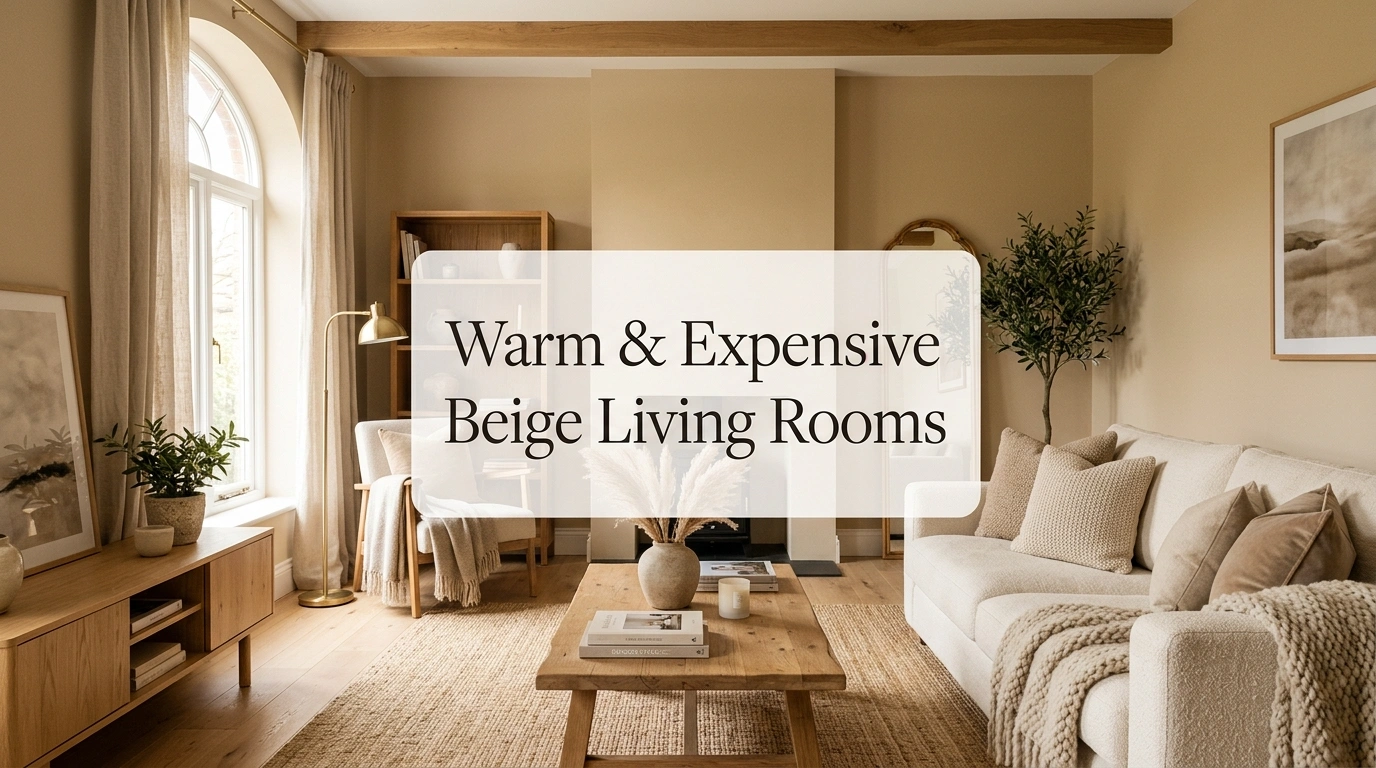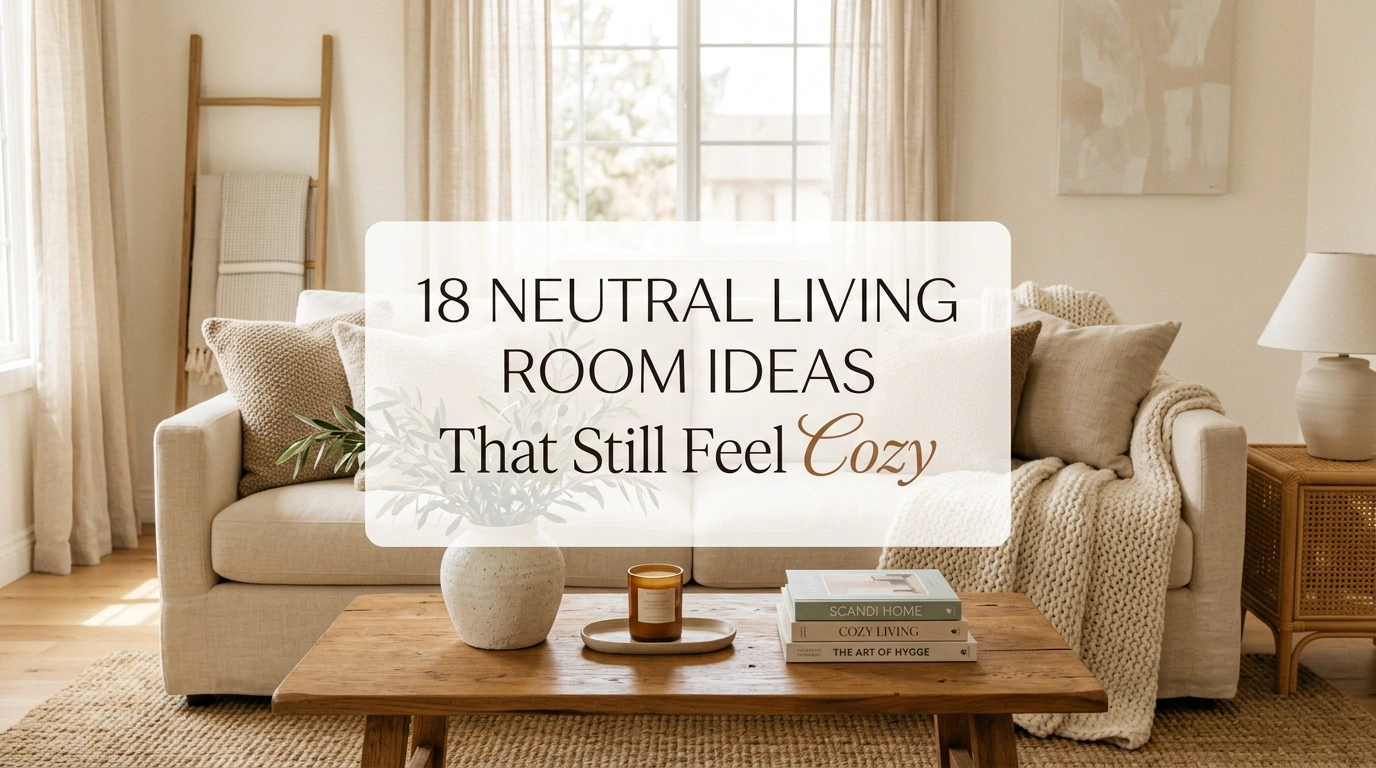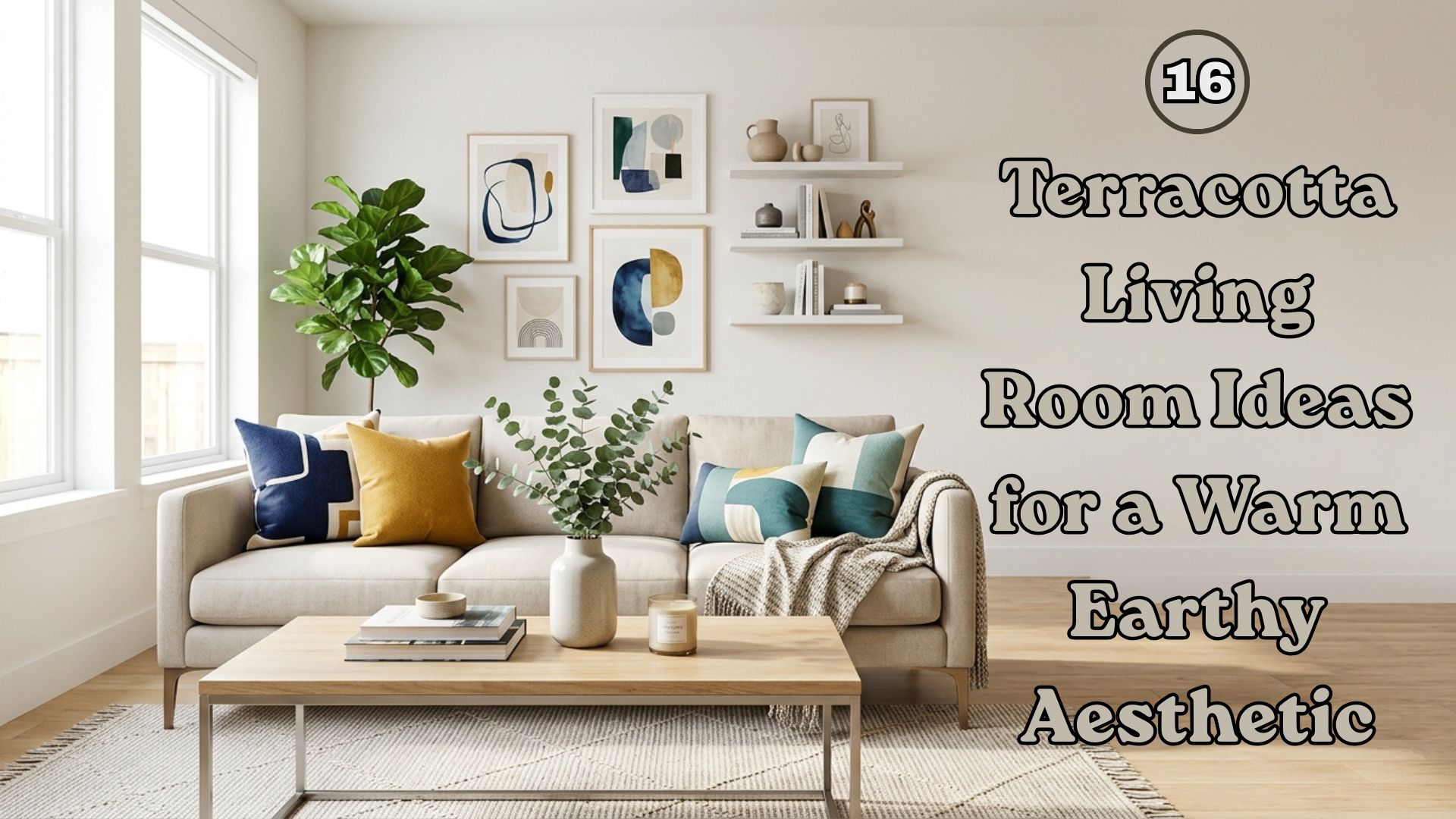
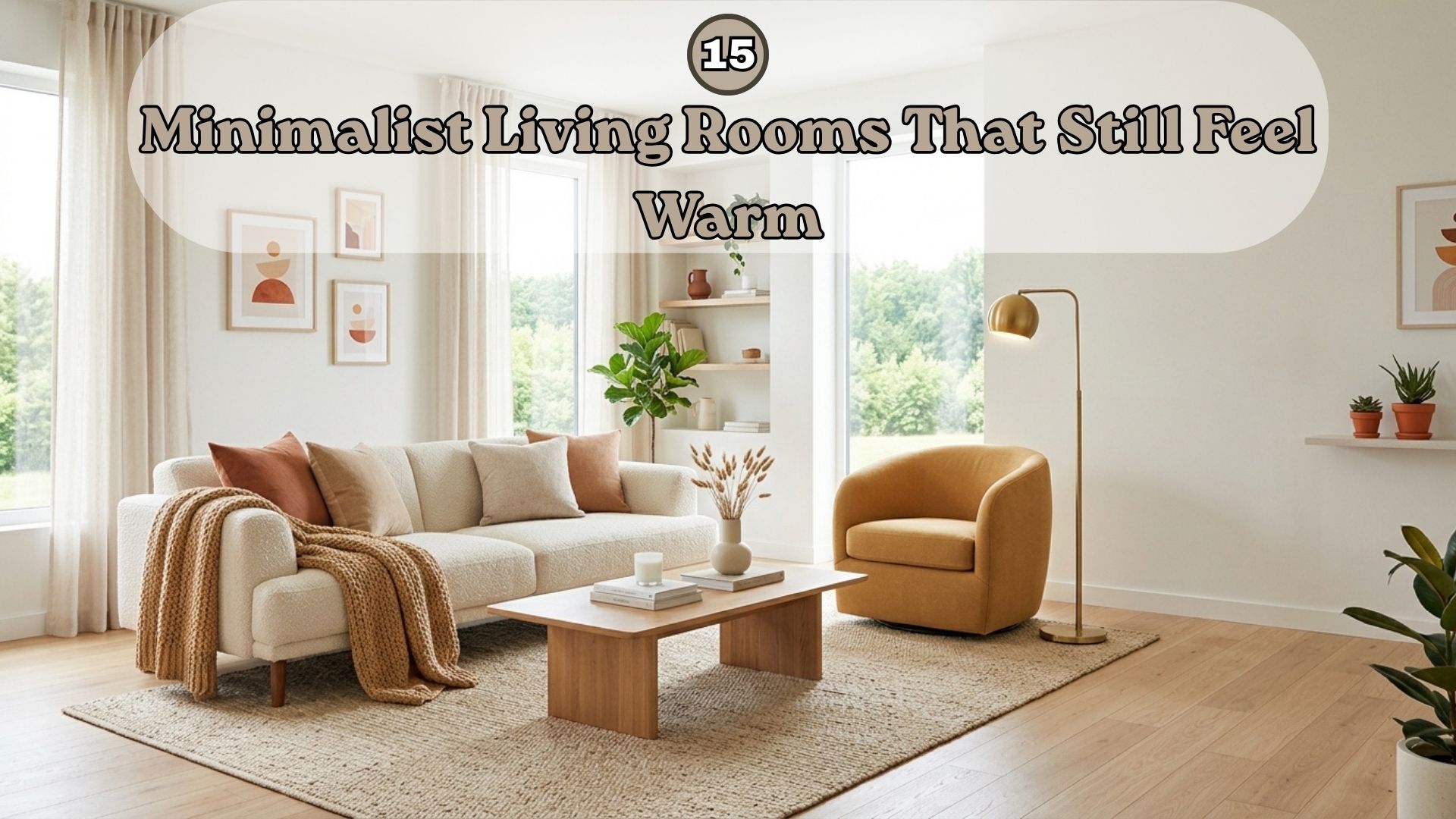
If your living room feels a little flat, cold, or uninspiring, you’re not alone. Minimalism is beautiful, but when it’s done without intention, it can quickly feel empty instead of calming. The truth is, a minimalist living room doesn’t have to sacrifice warmth or personality. With a few thoughtful choices, you can create a space that feels both clean and deeply inviting.
Small decor changes — like layering textures, adjusting lighting, or adding subtle color accents — can completely transform how your space looks and feels. It’s not about filling every corner, but about choosing pieces that add comfort, depth, and a sense of lived-in beauty.
In this guide, you’ll discover minimalist living rooms that still feel warm, filled with cozy interior inspiration and Pinterest-worthy home styling ideas. These ideas are practical, achievable, and designed to help you create a space that feels like home — not a showroom.
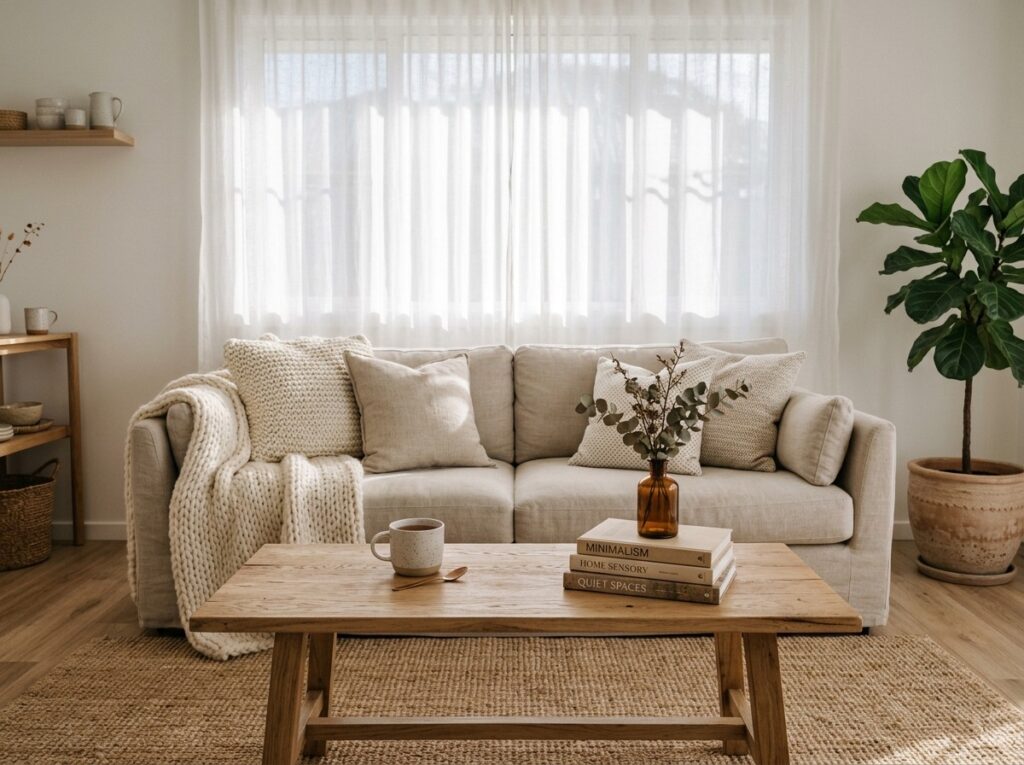
1. Layered Textures for a Cozy Minimalist Living Room
Soft textures instantly make a minimalist space feel inviting instead of bare. Imagine a linen sofa layered with knit throws and boucle cushions, sitting over a subtly textured rug. The room feels calm, but never flat.
To recreate this, start with a neutral base and layer in different materials like cotton, wool, and woven fabrics. Keep the color palette cohesive while letting texture do the visual work.
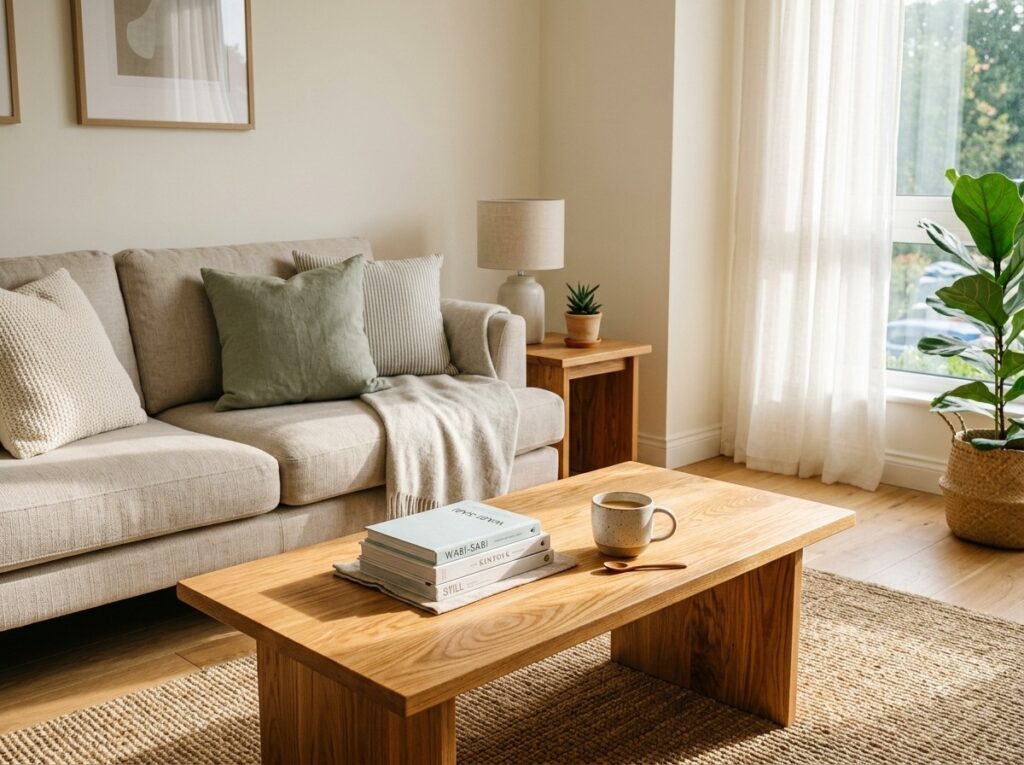
2. Warm Wood Accents That Add Depth
Minimalist spaces can feel cold without natural elements, but warm wood instantly softens the look. A wooden coffee table, shelving, or side table brings organic warmth and subtle contrast.
Choose pieces with natural grain and warm undertones. Even one or two wooden elements can ground the space without cluttering it.
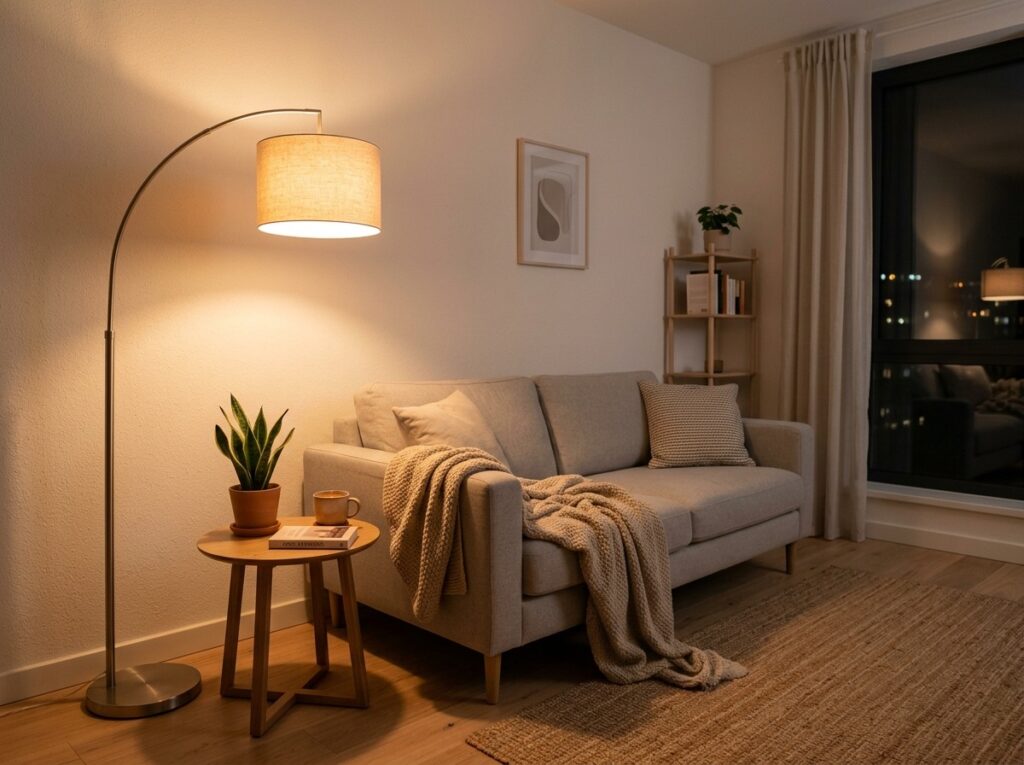
3. Soft Lighting That Changes the Entire Mood
Lighting can completely transform a minimalist living room. Instead of relying only on overhead lights, layer in soft ambient lighting that creates a warm glow.
Use a floor lamp, table lamp, or even candles to add warmth. Position lighting at different heights to make the room feel cozy and balanced.
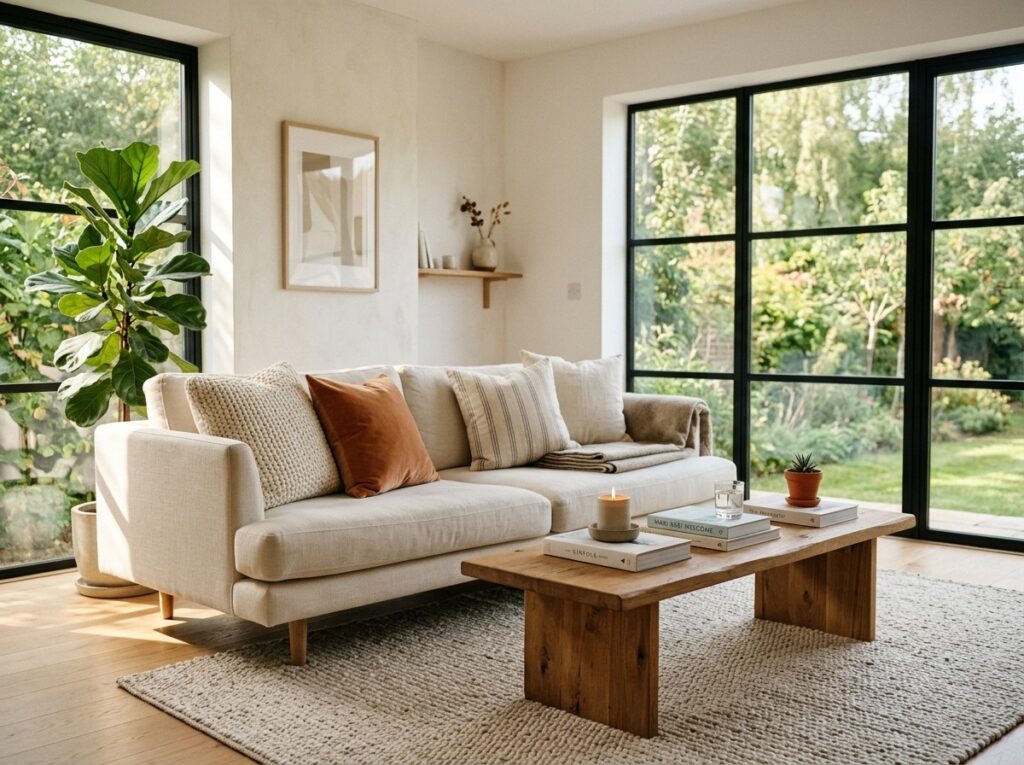
4. Neutral Color Palette with Subtle Warm Tones
A minimalist palette doesn’t have to be all white and grey. Adding warm undertones like beige, cream, or soft terracotta makes the space feel inviting.
Incorporate warm tones through cushions, throws, or decor accents. Keep everything soft and muted to maintain a calm, cohesive look.
5. Statement Wall Art That Adds Personality
Minimalism doesn’t mean blank walls. A single piece of art can add character while keeping the space uncluttered.
Choose artwork with soft tones or abstract designs that complement your palette. Keep frames simple for a clean look.
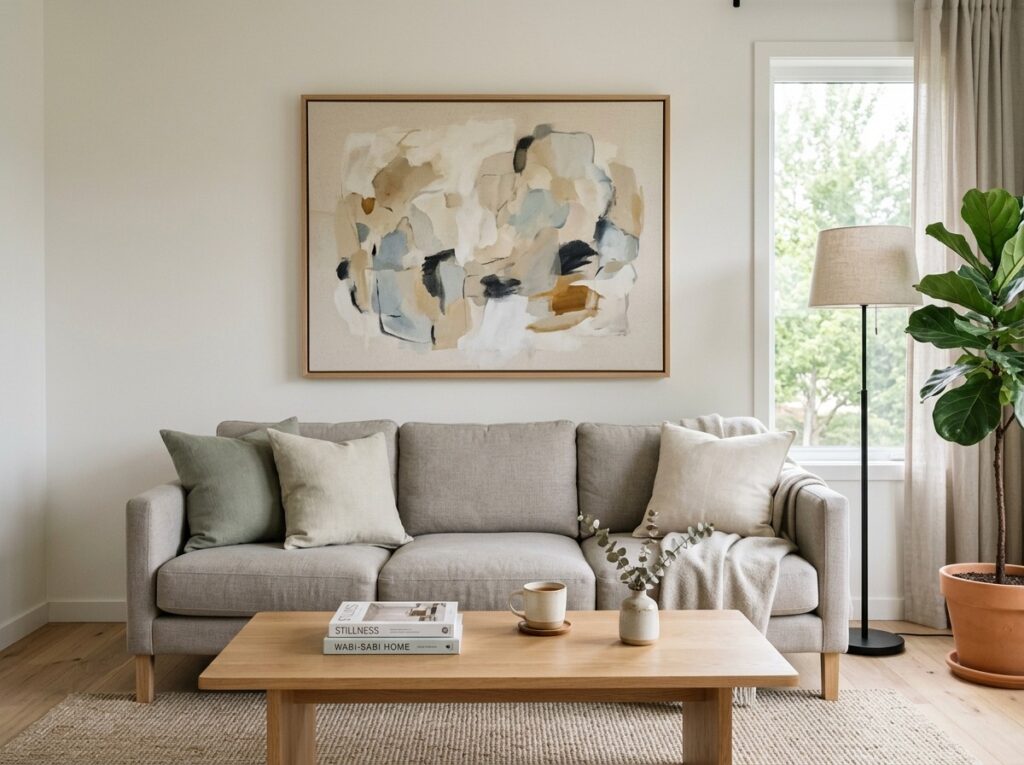
6. Cozy Throws for Instant Warmth
A casually draped throw instantly makes a space feel lived-in and comfortable. It softens clean lines and adds texture.
Choose knit or woven throws in soft colors and drape them naturally over a sofa or chair.
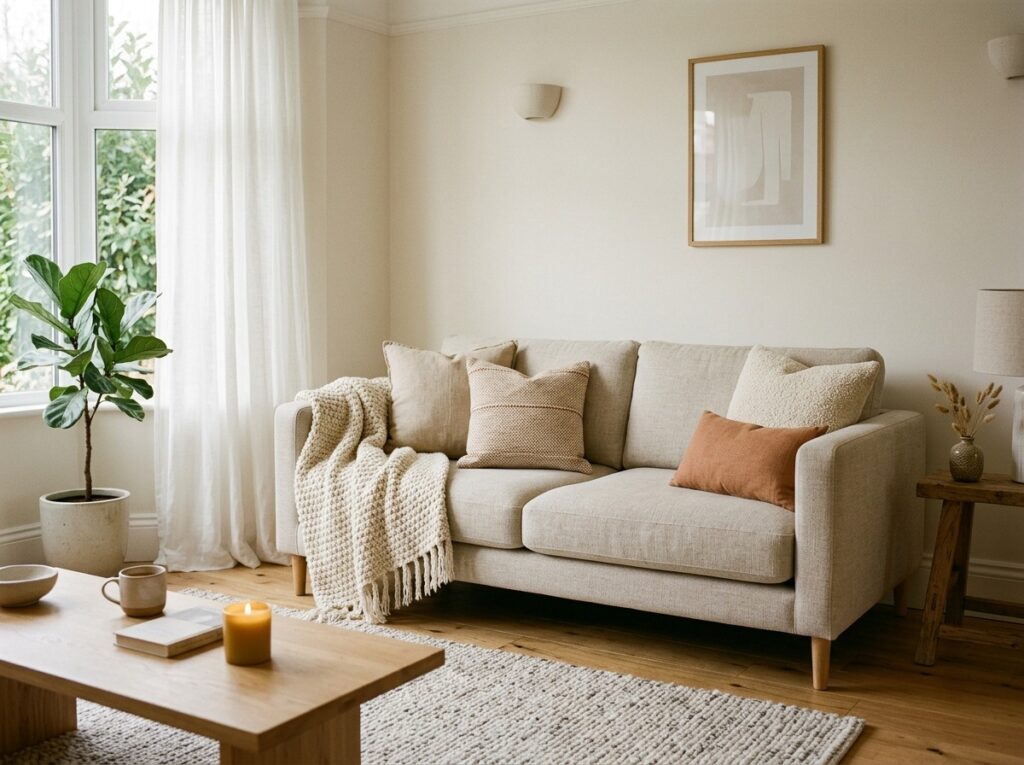
7. Minimal Decor with Meaningful Pieces
Instead of filling shelves, choose a few decor pieces that feel personal — like books, ceramics, or small objects.
Keep styling simple with 2–3 items per surface. Let each piece have space to stand out.
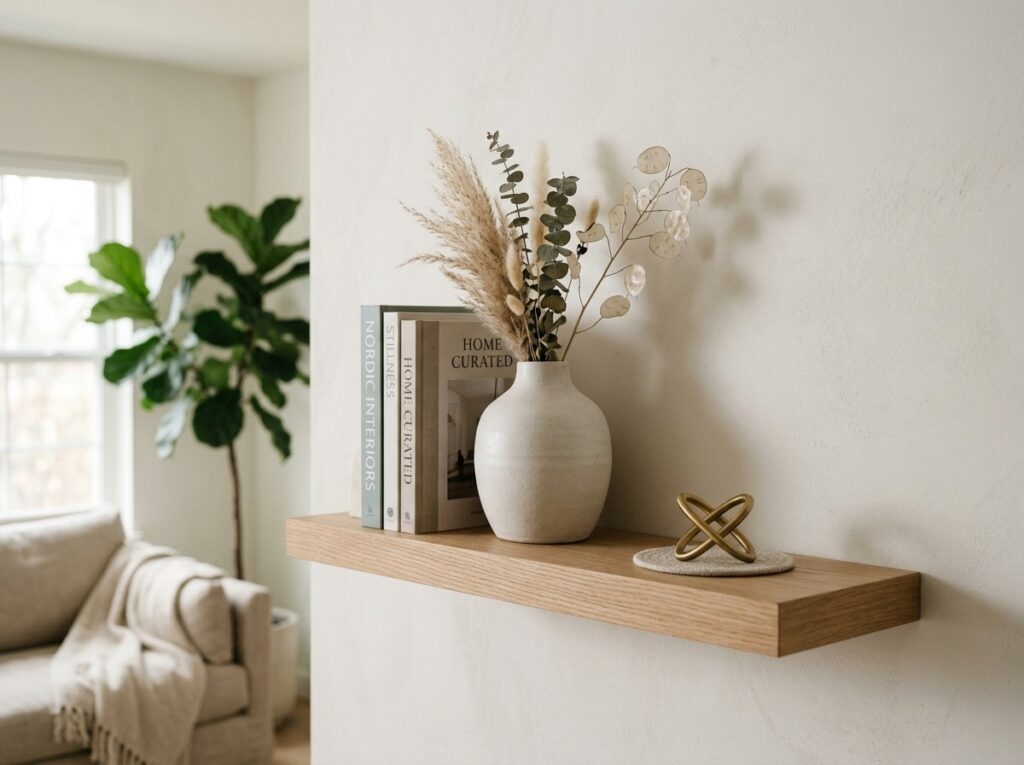
8. Indoor Plants for Natural Freshness
Plants bring life into a minimalist space without adding visual clutter. Even one or two can make a big difference.
Choose simple planters and place plants near light sources like windows or shelves.
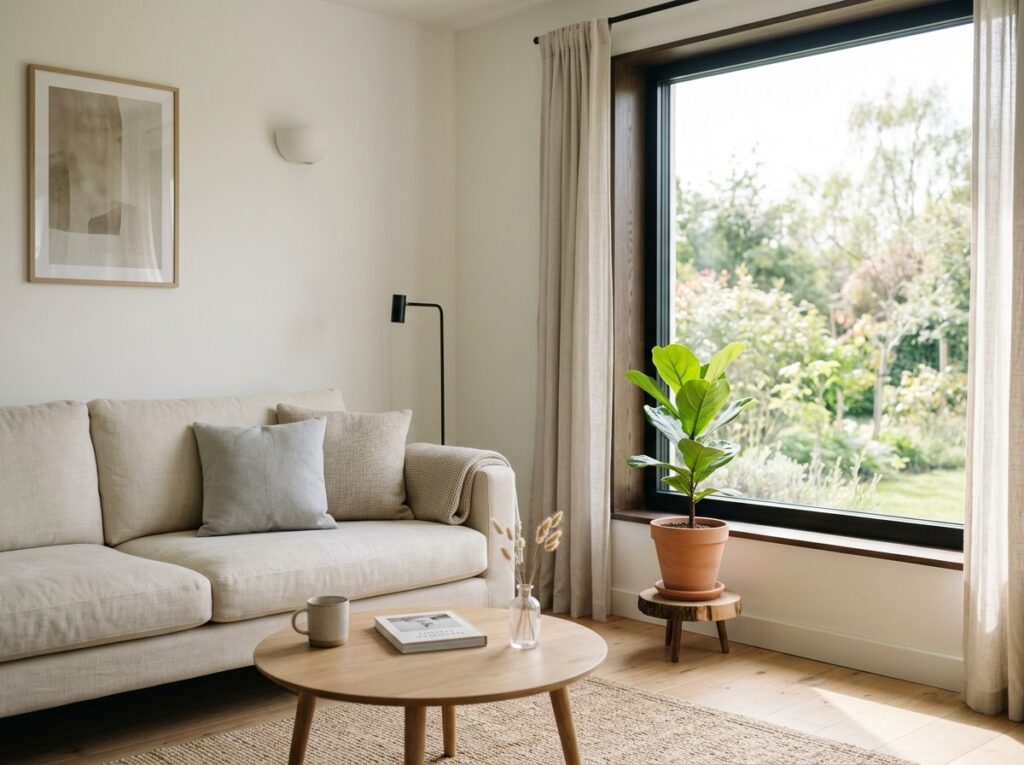
9. Layered Rugs for Subtle Dimension
Layering rugs adds depth without overwhelming a minimalist design. It creates a cozy foundation for the room.
Use a large neutral rug as a base and add a smaller textured or patterned rug on top.
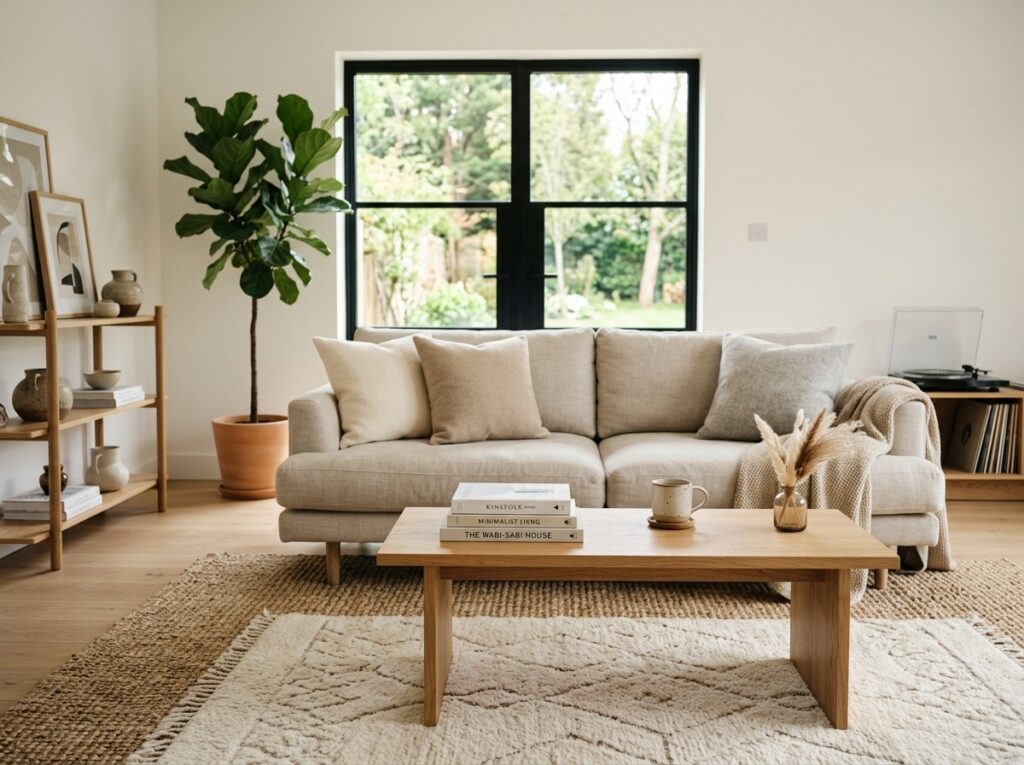
10. Low-Profile Furniture for an Airy Feel
Low-profile furniture makes a space feel open and relaxed while maintaining comfort. It keeps the visual weight low.
Choose sofas and tables with clean lines and low height to create a spacious look.
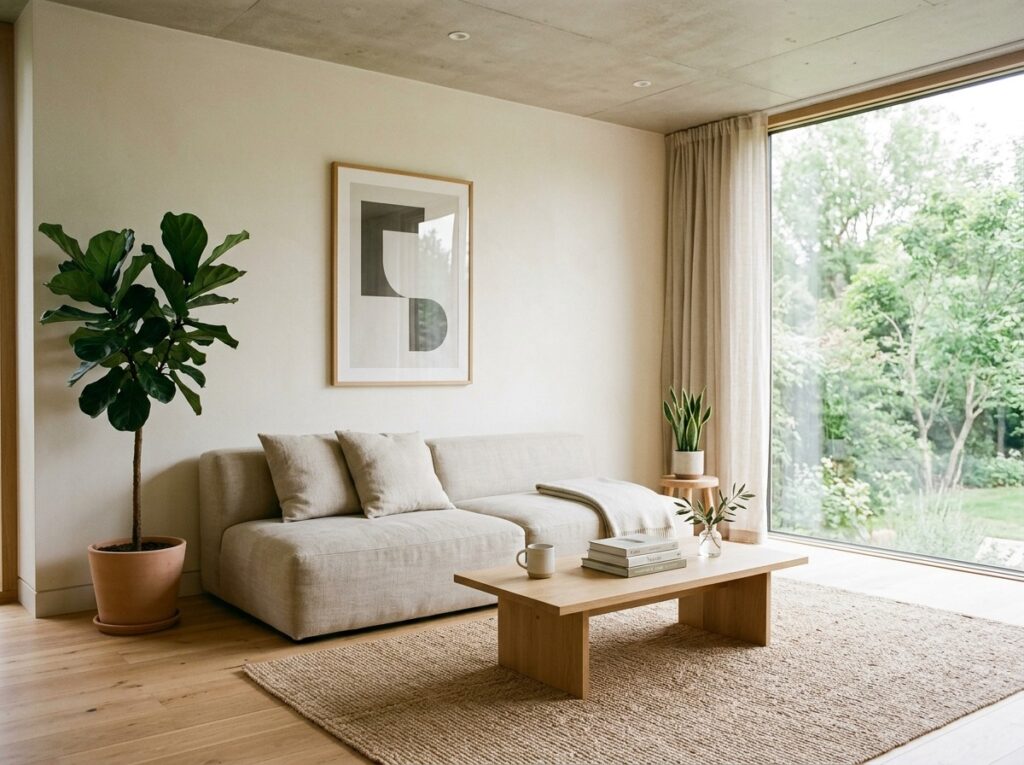
11. Soft Curtains That Diffuse Light
Sheer curtains soften natural light and add an ethereal warmth to the room. They make the space feel calm and gentle.
Choose light fabrics and neutral tones. Let them flow naturally for a relaxed look.
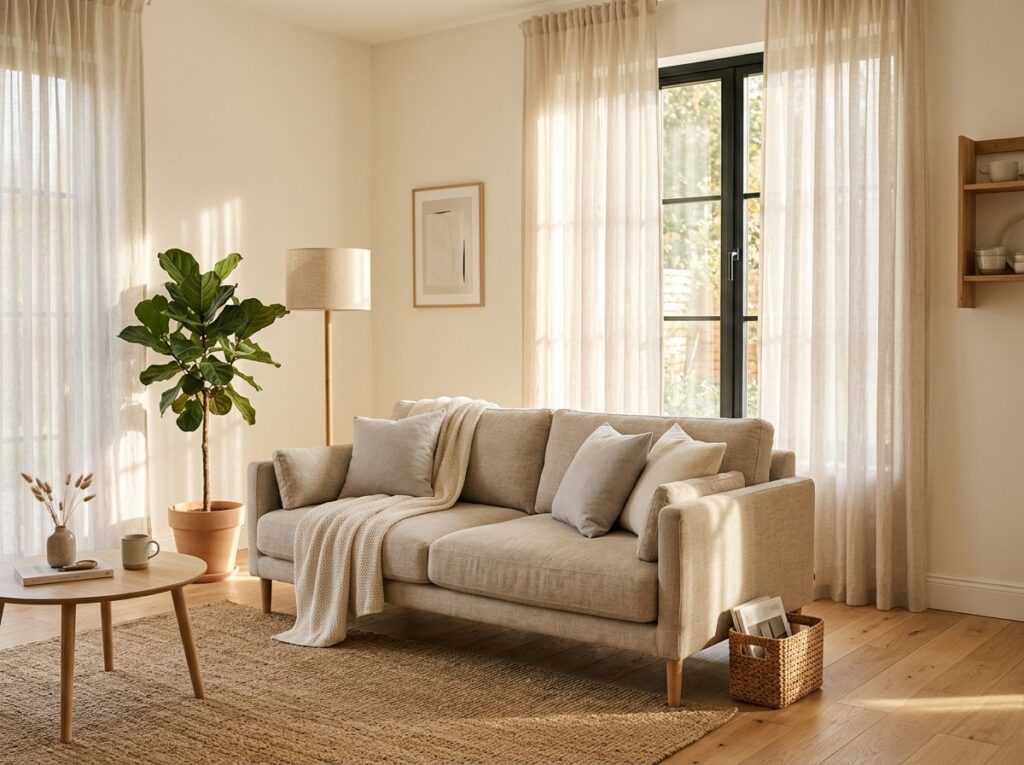
12. Textured Cushions for Visual Interest
Cushions are an easy way to add texture and comfort without cluttering the space. They bring subtle variety.
Mix materials like linen, boucle, and cotton in similar tones for a cohesive look.
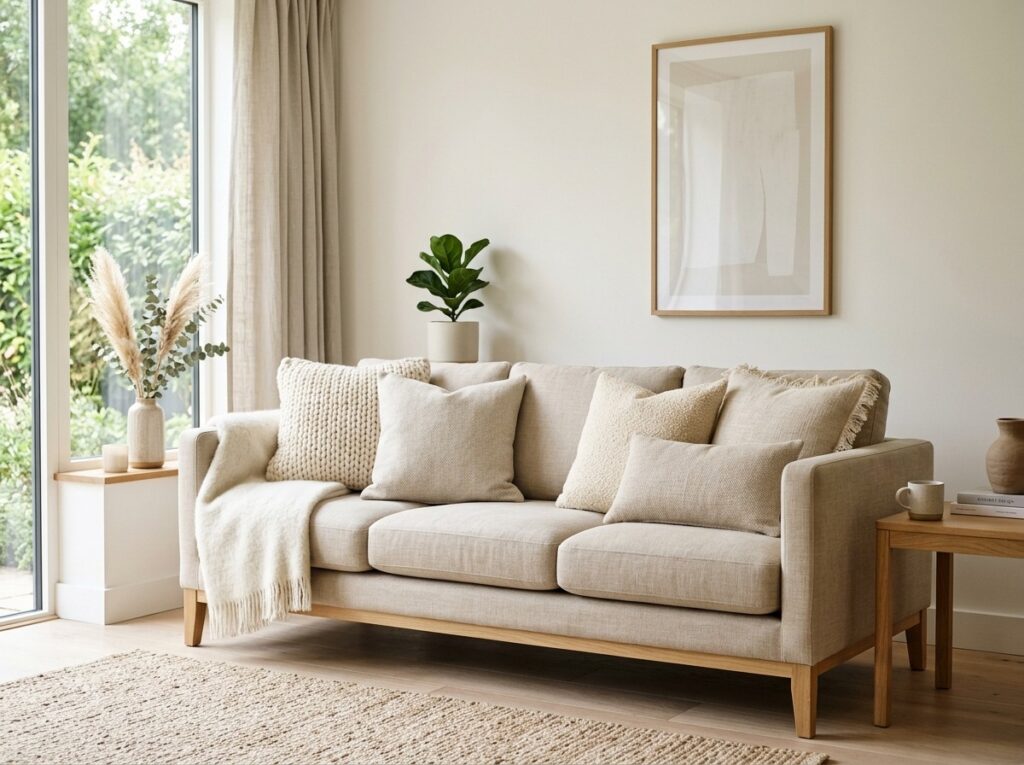
13. Open Space That Feels Intentional
Minimalism thrives on space, but it should feel intentional rather than empty. Open areas allow the room to breathe.
Avoid overfilling the room. Keep only essential furniture and let negative space enhance the design.
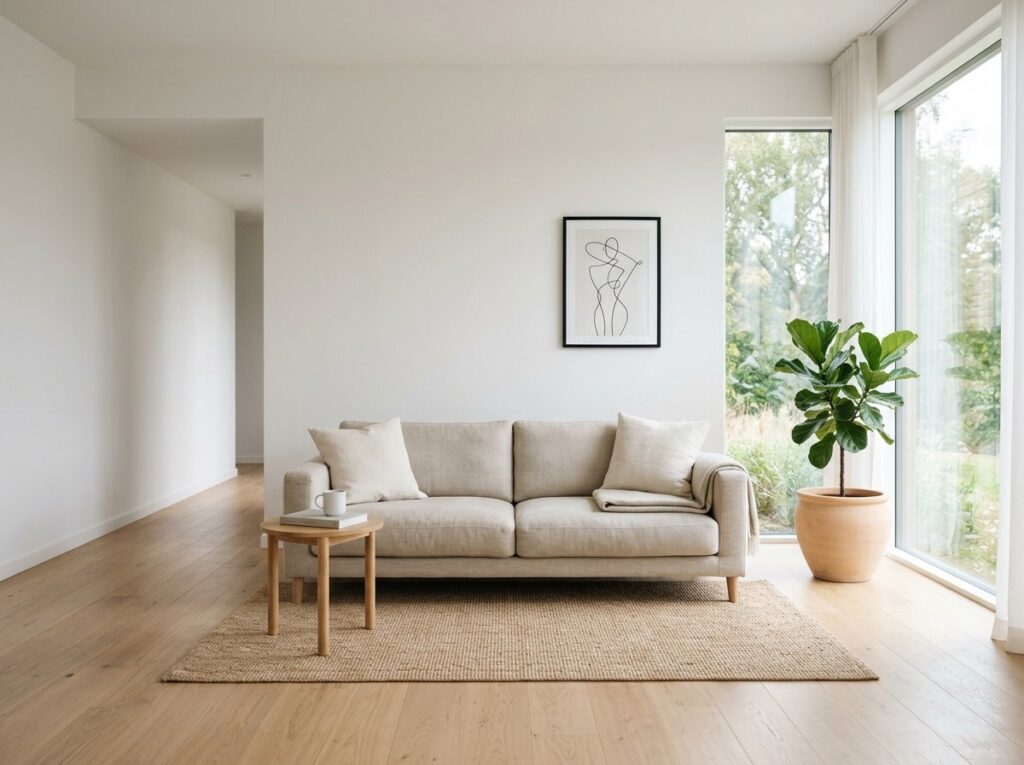
14. Warm Metallic Accents for Subtle Shine
Small metallic accents like brass or gold add warmth and a touch of elegance without overwhelming minimalism.
Use them sparingly in decor pieces like trays, lamps, or small objects.
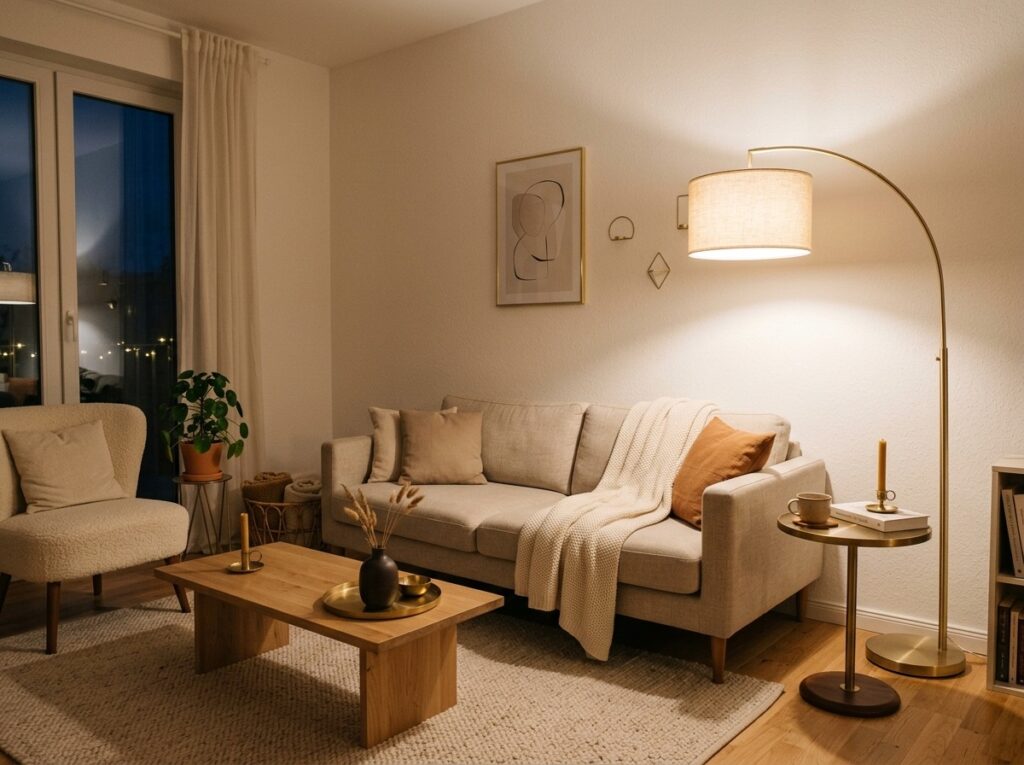
15. Personal Touches That Make It Feel Like Home
A minimalist living room should still feel personal. Small touches like books, a mug, or a favorite object bring life into the space.
Add a few meaningful items that reflect your personality while keeping the overall look clean.
Conclusion
Creating minimalist living rooms that still feel warm isn’t about buying more — it’s about choosing better. With the right mix of textures, lighting, and subtle decor, you can turn even the simplest space into something cozy and inviting.
Start small. Try one or two of these ideas, like adding a soft throw or adjusting your lighting, and notice how quickly your space transforms. Over time, these small changes build a home that feels calm, stylish, and deeply personal.
Minimalism doesn’t have to feel cold or empty. When done thoughtfully, it becomes one of the most beautiful ways to create a warm, welcoming living space you’ll love coming back to every day.