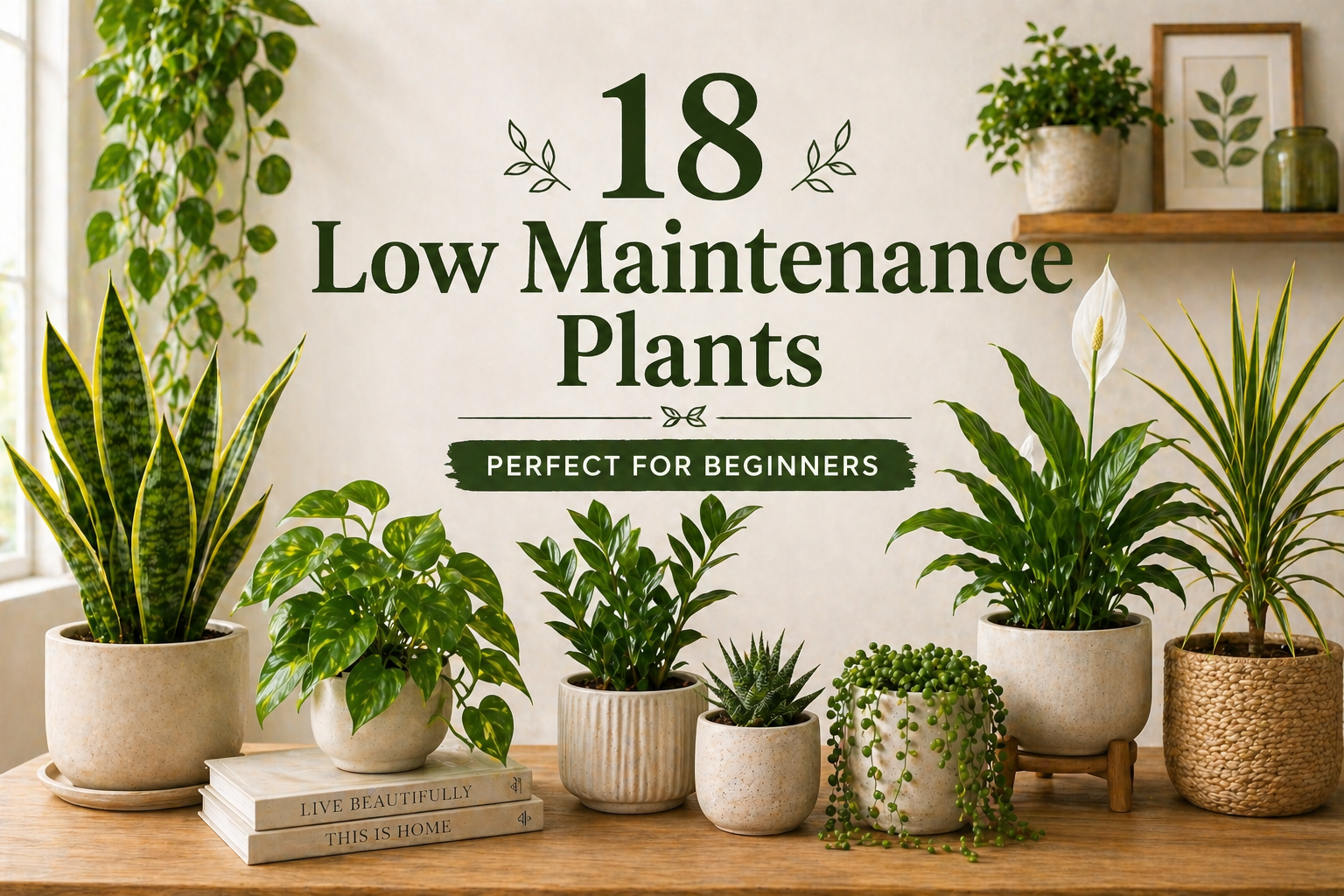
If you’ve ever bought a plant because it looked pretty in the store and then watched it struggle on your shelf two weeks later, you’re in very good company. A lot of people want the comfort and color that plants bring, but they get overwhelmed fast by watering schedules, lighting needs, and conflicting advice online. That’s exactly why 18 low maintenance plants perfect for beginners is such a helpful place to start. You do not need a jungle. You do not need expensive tools. And you definitely do not need to be naturally “good with plants.”
What makes the biggest difference is choosing plants that fit normal life. The kind that can handle a missed watering, average indoor light, and a learning curve. In my experience, the biggest mistake here is starting with fussy plants just because they look impressive on Pinterest. A better approach is to begin with easy wins that still give you that warm, lived-in, Pinterest-worthy home styling you want.
Below, you’ll find 18 beginner-friendly plants that look beautiful in real homes, not just staged ones. Each one is simple to care for, affordable to start with, and easy to style into everyday rooms. Let’s find the ones that will actually work for you.
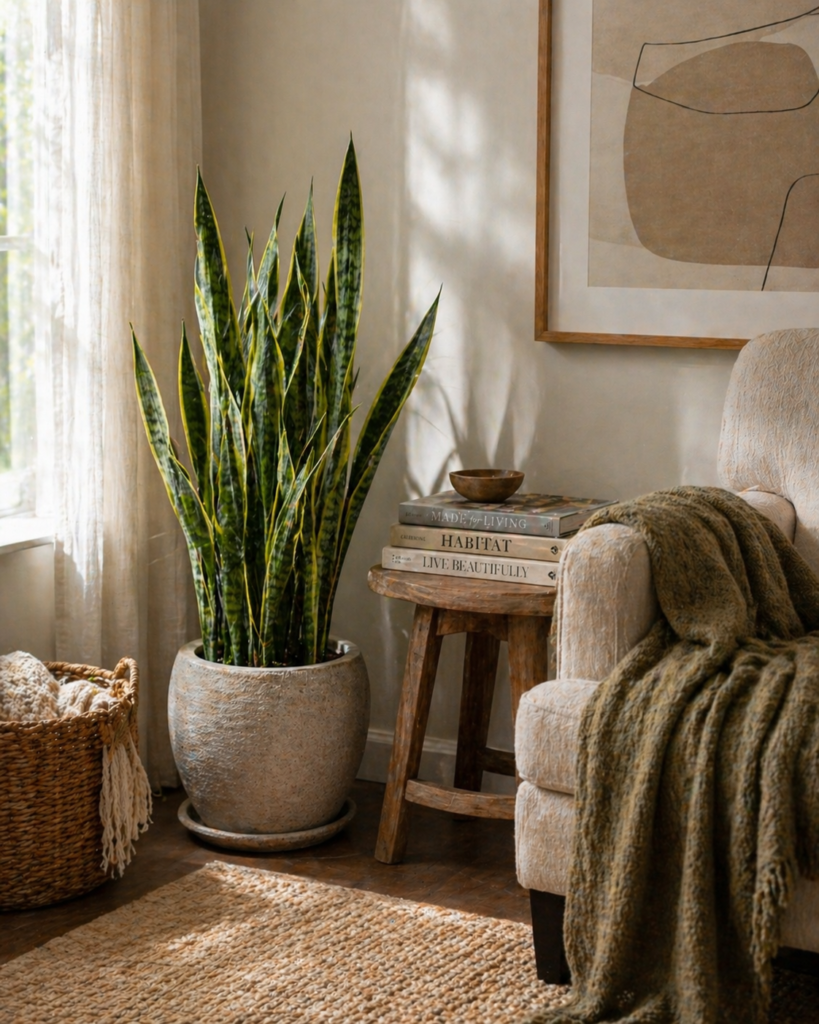
Snake Plant for Corners That Need Height
There’s something reassuring about a snake plant. The tall, upright leaves bring structure to a room, especially in corners that otherwise feel empty or forgotten. It has that clean, graphic look, but it still feels warm in a lived-in space when paired with soft textures like woven baskets, linen curtains, or a cozy reading chair.
This is one I always recommend this to anyone who asks me about easy starter plants. It handles low light, average room temperatures, and missed waterings better than most. Place it in a pot with drainage, ideally 8 to 10 inches wide for a medium plant, and water every 2 to 3 weeks only after the soil is dry. Price usually falls around $12–$35. Tip: the biggest mistake here is overwatering, not underwatering.
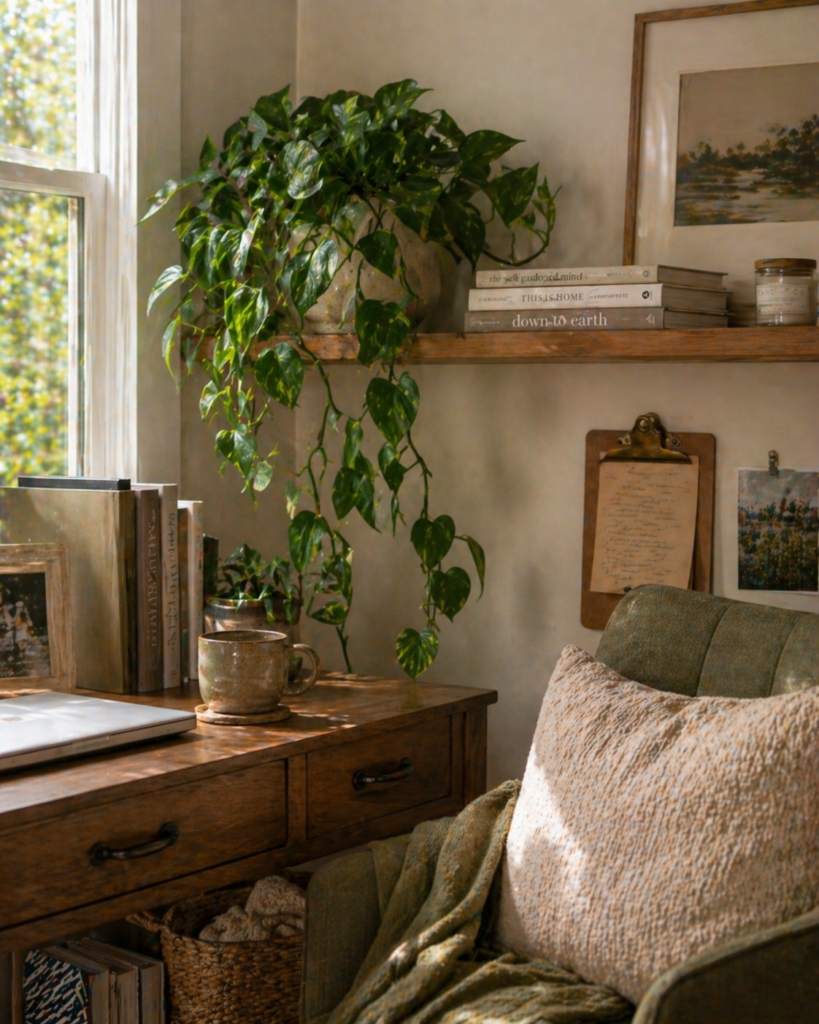
Pothos for Shelves That Feel Too Plain
Pothos has that loose, trailing look that makes a room feel softer right away. When the vines spill over a shelf or cabinet edge, the space feels more relaxed and personal, like someone actually lives there and enjoys it. It works especially well in home offices, kitchens, and bedrooms where you want a little green without taking up floor space.
What I personally love about this is how forgiving it is. It grows in medium light, can handle lower light, and only needs watering when the top inch of soil feels dry. Start with a 6-inch nursery pot or hang it in a planter near filtered light. You can usually find one for $10–$25. A lot of people skip trimming, but light pruning keeps it fuller instead of stringy.
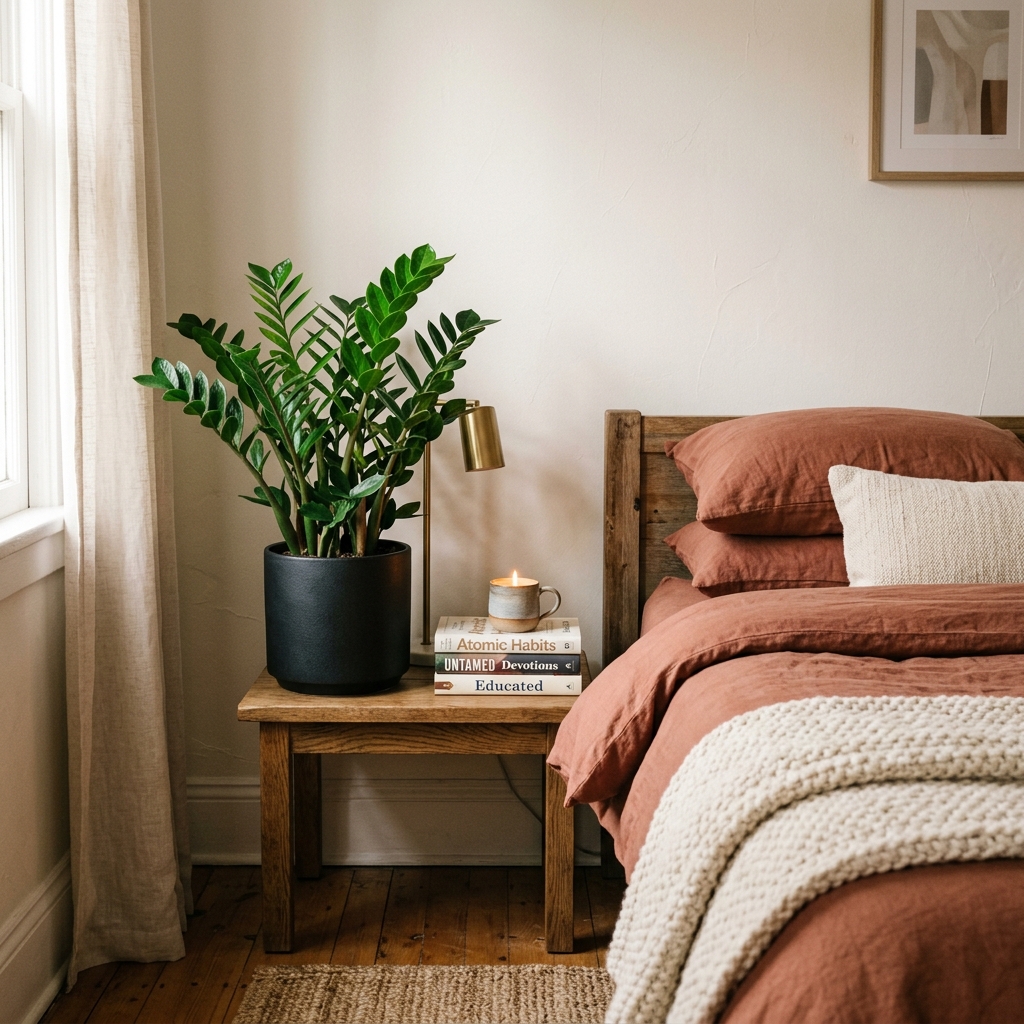
ZZ Plant for Very Busy People
The ZZ plant has glossy, deep green leaves that almost look polished, which gives it a slightly richer look than many beginner plants. It fits beautifully in darker rooms, entryways, or bedrooms where sunlight is limited but you still want something fresh and alive in the space.
In my experience, this is one of the best plants for people who travel, work long hours, or simply forget about watering. Put it in a pot with good drainage and let the soil dry out almost completely between waterings, usually every 2 to 3 weeks. A medium-sized ZZ plant often costs $15–$40. Common mistake: watering it on a schedule instead of checking the soil first.
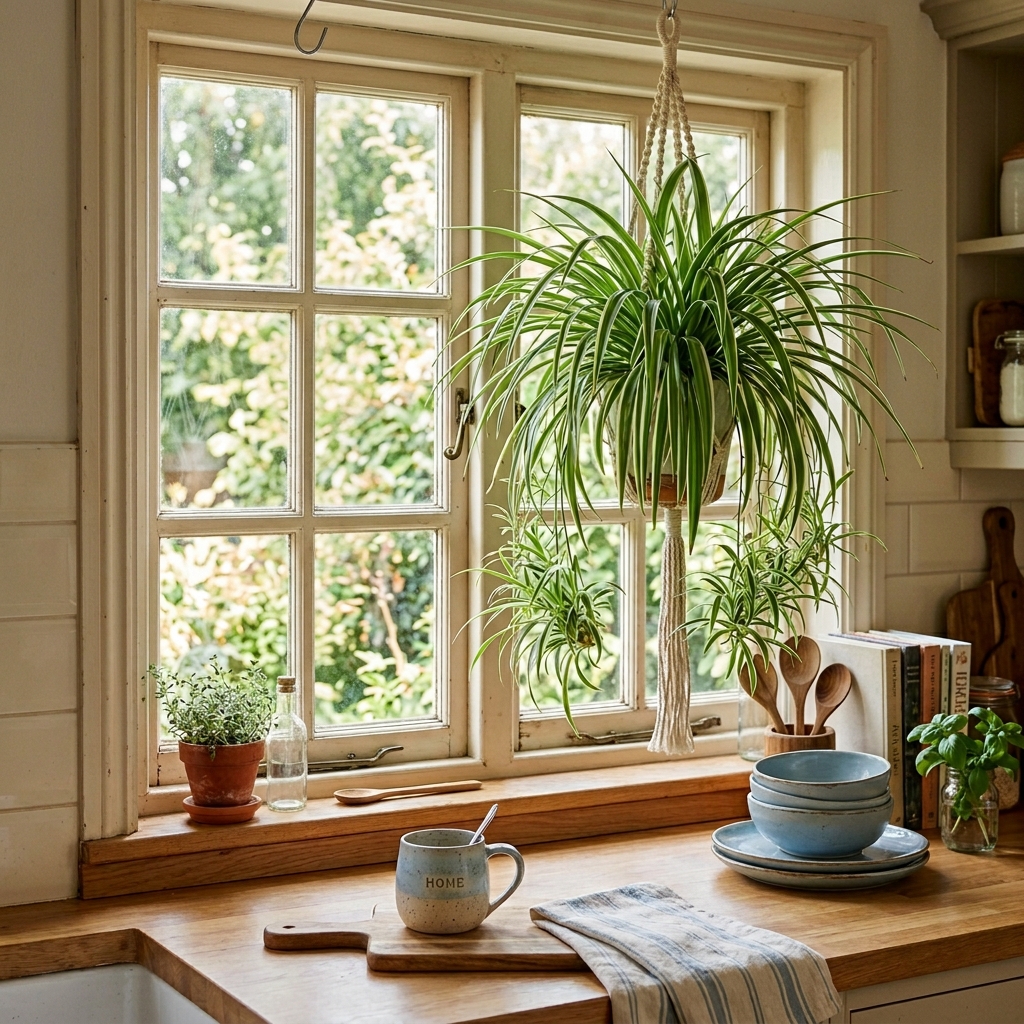
Spider Plant for Easy, Casual Greenery
Spider plants feel cheerful without trying too hard. Their arching leaves add movement, and when they start producing baby plantlets, the whole arrangement feels playful and full of life. They are especially good for kitchens, laundry rooms, or bright bathrooms that need a softer touch.
To keep one happy, place it in bright to medium indirect light and water about once a week, depending on how quickly the soil dries. A hanging planter works well, but a simple tabletop pot also looks great. Prices usually range from $8–$20. Tip: avoid letting water sit in the saucer for too long or the roots can get stressed.
Peace Lily for Soft, Fresh Contrast
A peace lily adds a calm look to a room with its dark green leaves and occasional white blooms. It feels slightly polished, but not in a stiff way. In a bedroom, reading nook, or hallway, it can make the whole area look fresher and more cared for.
This plant prefers medium to low light and likes evenly moist soil, though it is still manageable for beginners. Use a pot with drainage and water when the top inch feels dry. Most cost around $15–$30. What I personally love about this is that it droops when thirsty, so it gives you a clear signal. Just do not leave it dry for too long on a regular basis.
Aloe Vera for Sunny Windowsills
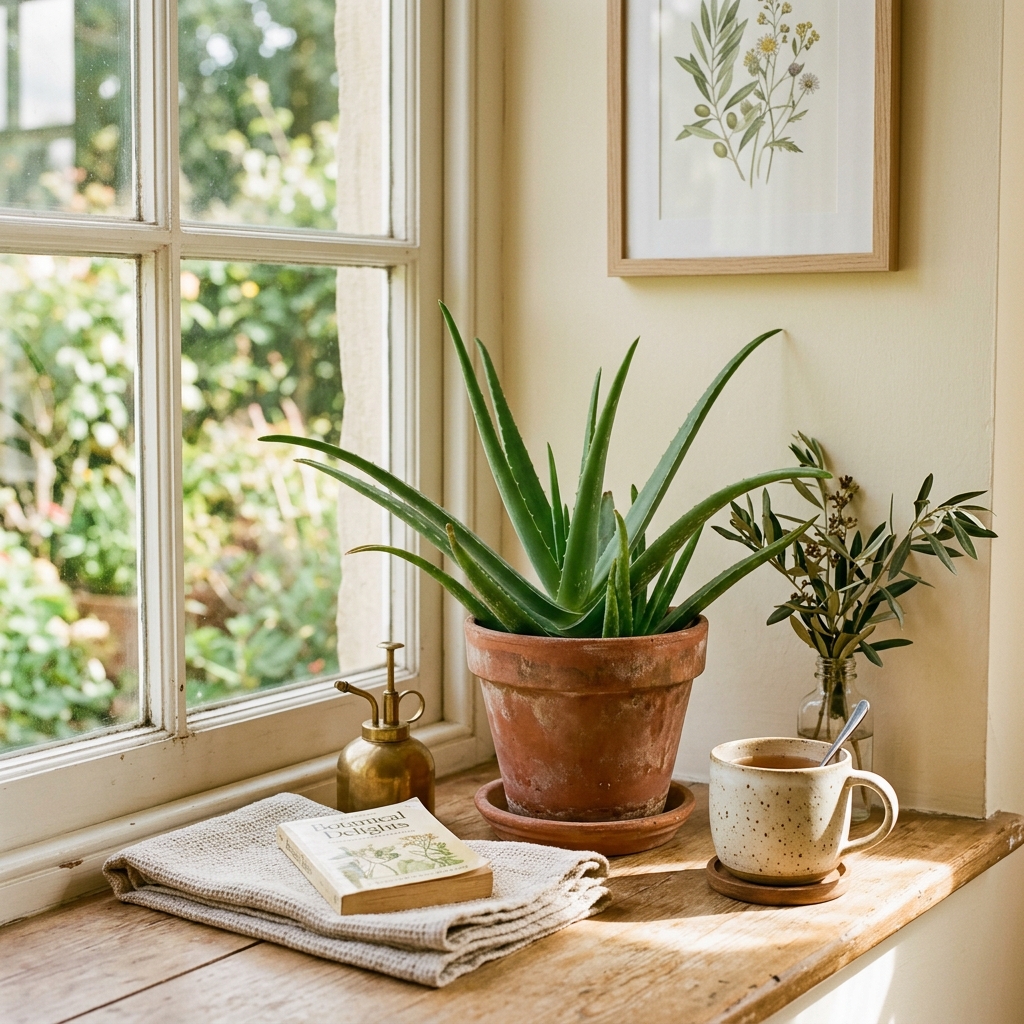
Aloe vera has that sculptural shape that makes even a small windowsill look more intentional. The thick, pointed leaves add texture without visual clutter, and it works beautifully in kitchens or bright bathrooms where you want something practical as well as decorative.
This is a great beginner pick if you have one sunny spot at home. Use a terracotta pot, choose cactus soil if possible, and water every 2 to 3 weeks once the soil is completely dry. It’s usually $8–$20. In my experience, the biggest mistake here is treating it like a leafy tropical plant. It is a succulent, so less water is better.
Jade Plant for Compact Styling
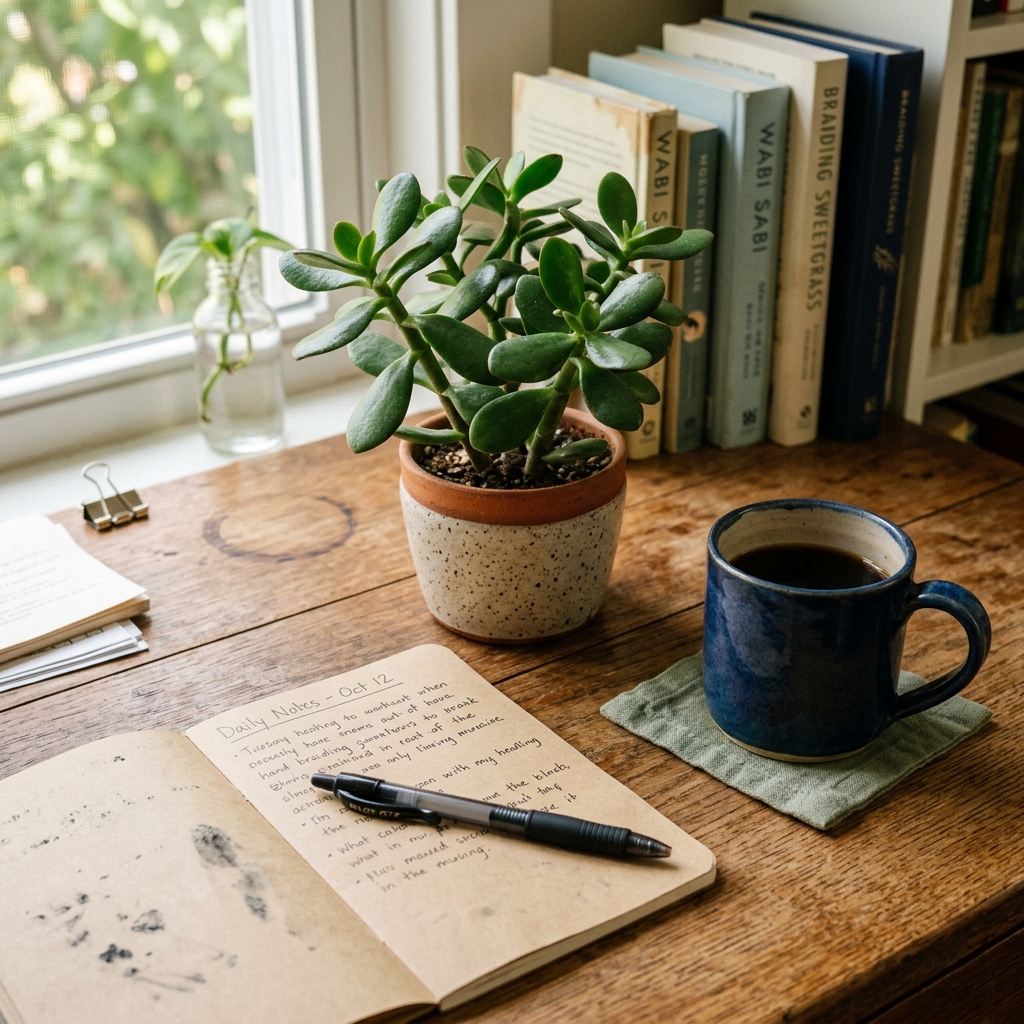
Jade plants have thick, rounded leaves that make them look sturdy and neat. They are small enough for desks, side tables, and shelves, but still bring enough green to wake up a space. If your room needs a little life without looking crowded, this one works beautifully.
Place jade in bright indirect light or a bit of gentle direct sun, and water only when the soil has dried fully. A 4- to 6-inch pot is enough for most starter plants, and they generally cost $10–$25. I always recommend this to anyone who asks me about desk plants. Tip: if the leaves start feeling soft, you may be watering too often.
Philodendron for a Softer Look
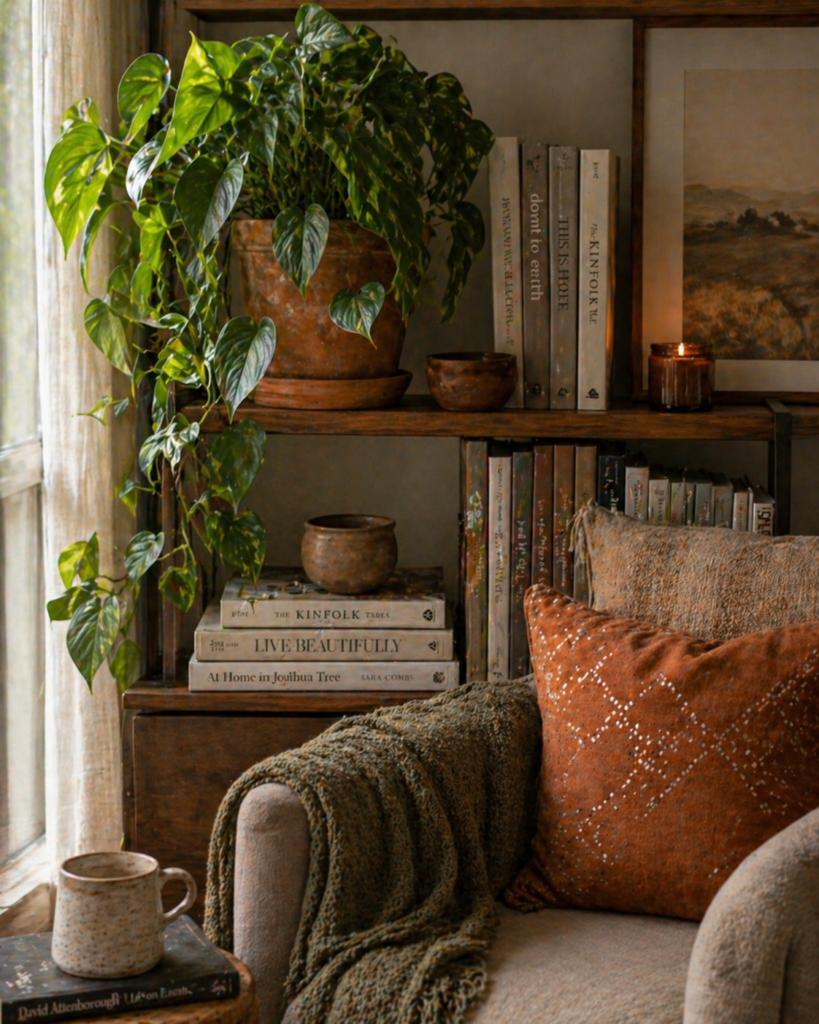
Philodendrons have heart-shaped leaves that make a room feel instantly more relaxed. They are not sharp or formal, which is exactly why they work so well in bedrooms, book corners, and cozy interior inspiration setups where you want softness more than structure.
They do well in medium light and tolerate lower light better than many beginners expect. Use a standard indoor potting mix, water when the top inch of soil dries out, and let it trail or climb depending on the variety. Most are $12–$30. A lot of people skip support poles, but adding one helps climbing types look fuller and healthier.
Rubber Plant for Bold Green Leaves
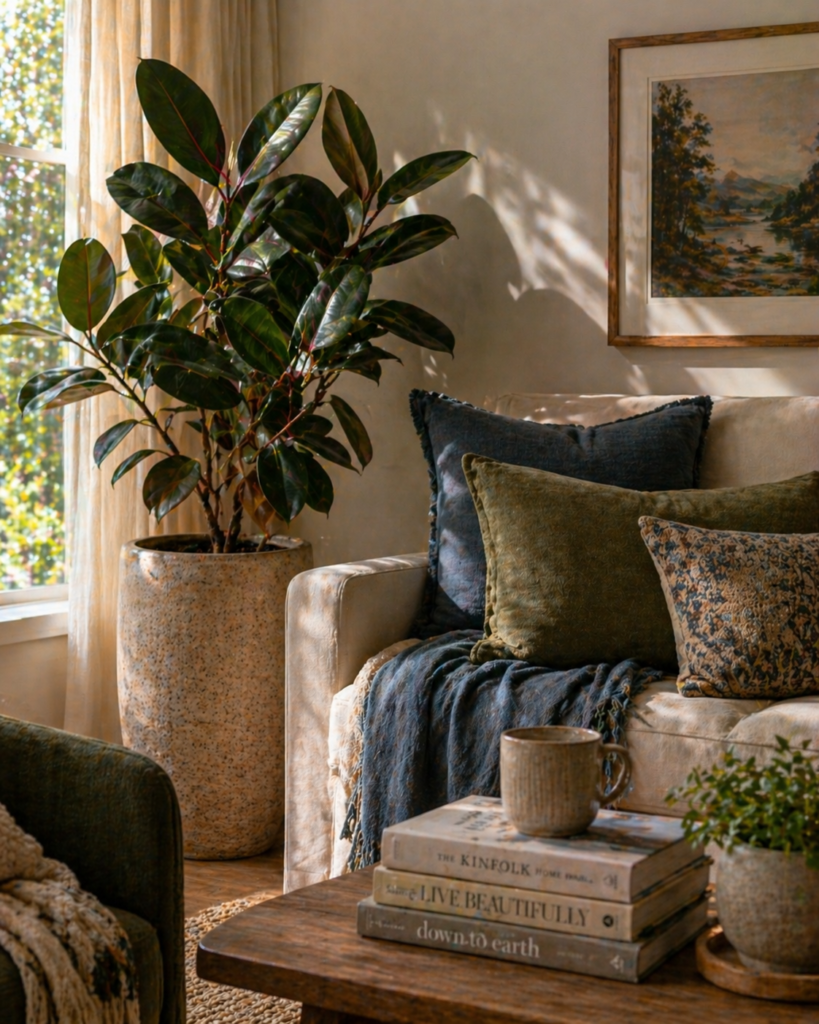
Rubber plants bring a little drama in the best way. Their broad, glossy leaves catch the light beautifully and give a room a stronger visual anchor, especially if your decor leans simple and needs one fuller, darker element to balance it.
For best results, place it in bright indirect light near a window and water when the top few inches of soil feel dry. A medium plant in a 10-inch pot usually costs $20–$45. What I personally love about this is that it looks more expensive than it is. Tip: wipe the leaves with a damp cloth once in a while so dust does not dull the shine.
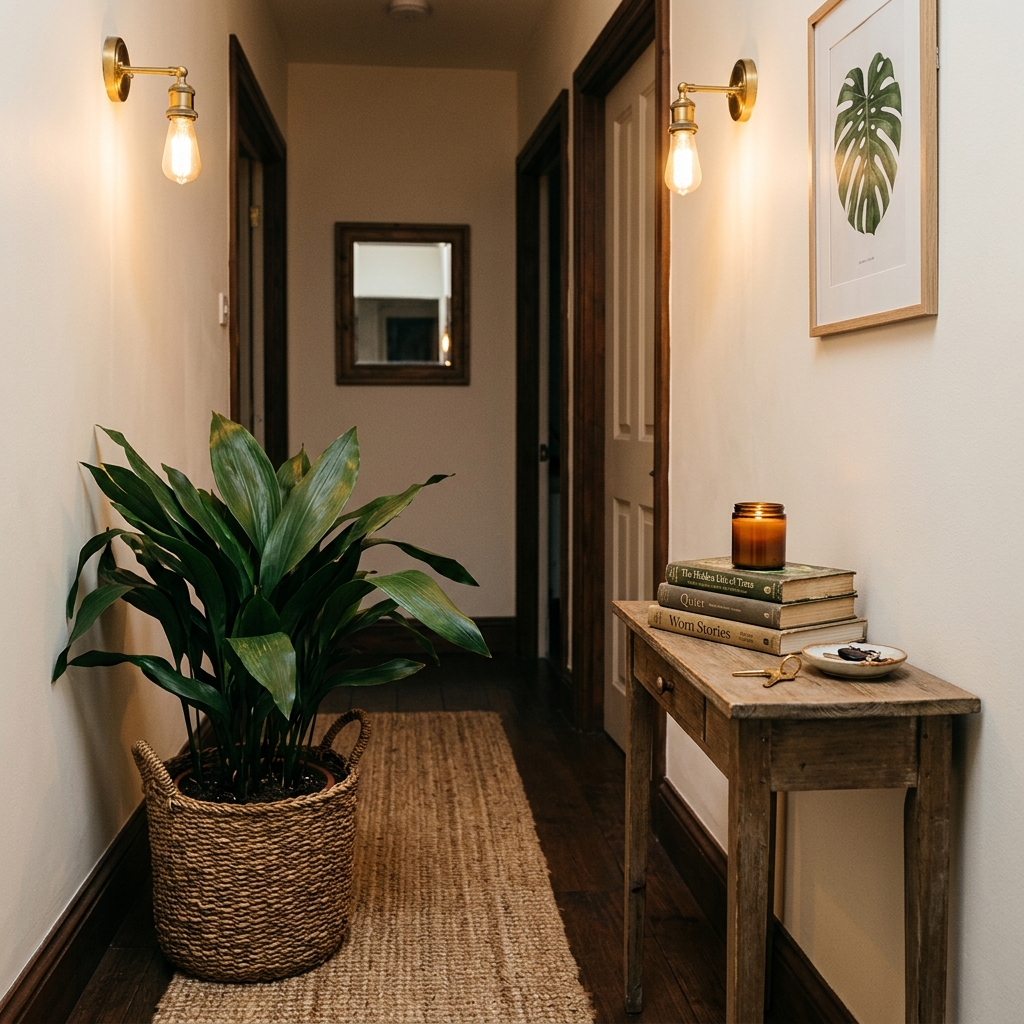
Cast Iron Plant for Low-Light Rooms
The cast iron plant is exactly what it sounds like: tough, steady, and not dramatic. Its deep green leaves have a classic, unfussy look that works well in hallways, darker bedrooms, and corners where other plants would struggle.
This one handles low light and inconsistent watering very well. Use a basic indoor potting mix, place it away from harsh direct sunlight, and water every couple of weeks after the top soil dries. Price range is often $18–$40. In my experience, this is one of the safest beginner picks if your home does not get much sun.
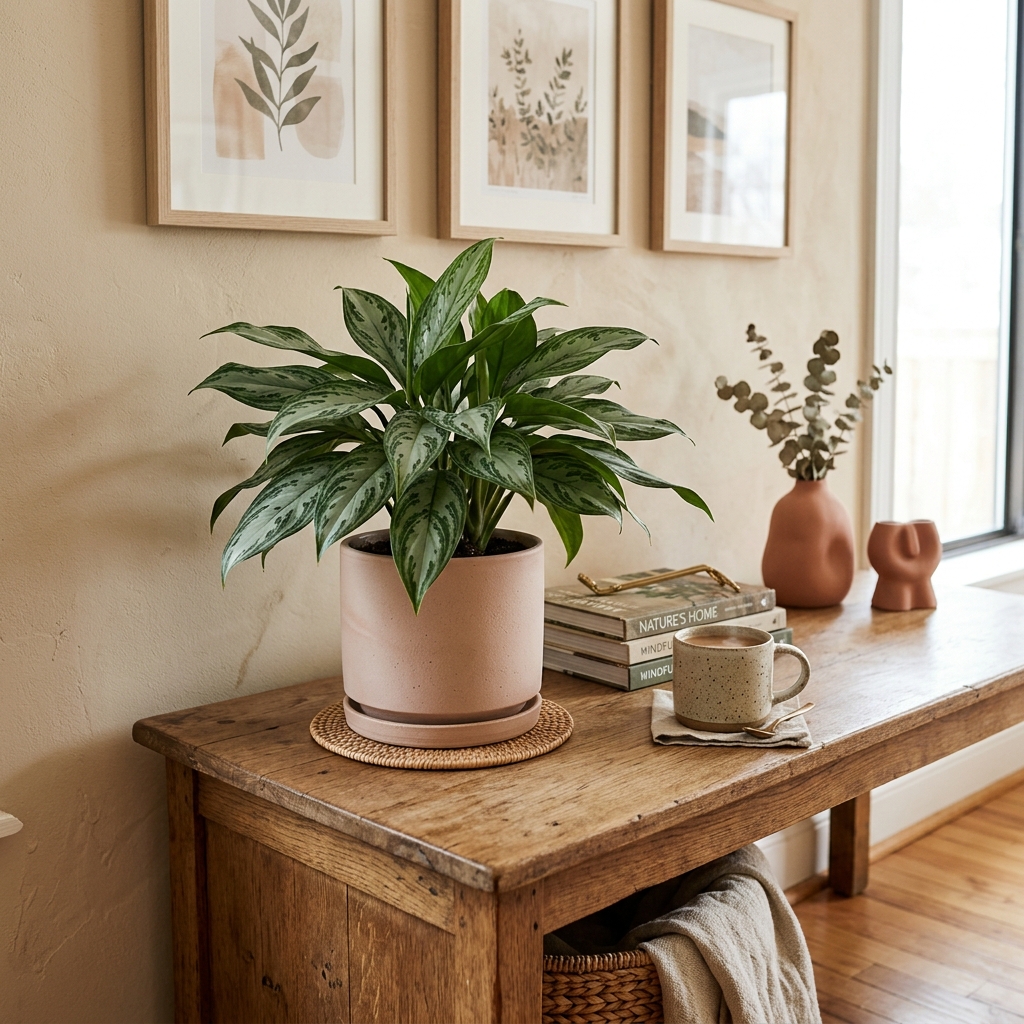
Chinese Evergreen for Pattern and Color
Chinese evergreen brings in more personality than a plain green plant because the leaves often have silvery, pink, or soft green markings. It is a good option if you want your home decor ideas to feel a little more layered without needing flowers or bright accessories.
It grows well in medium to low light and likes lightly moist soil, though not soggy roots. Keep it in a pot with drainage, rotate it every few weeks, and expect to pay around $15–$35. A lot of people skip rotation, but it really helps the plant grow evenly instead of leaning to one side.
Parlor Palm for Gentle Texture
Parlor palms have a feathery softness that makes a room feel lighter. They do not shout for attention, but they do make a noticeable difference in how calm and comfortable a space feels. This is especially true in apartments, bedrooms, and smaller living rooms.
Keep it in medium to low indirect light and water when the top inch of soil dries out. It usually comes in compact sizes, which makes styling easy, and it often costs $12–$30. I always recommend this to anyone who wants a plant that feels airy instead of heavy. Tip: do not crowd it into a pot that is too large too soon.
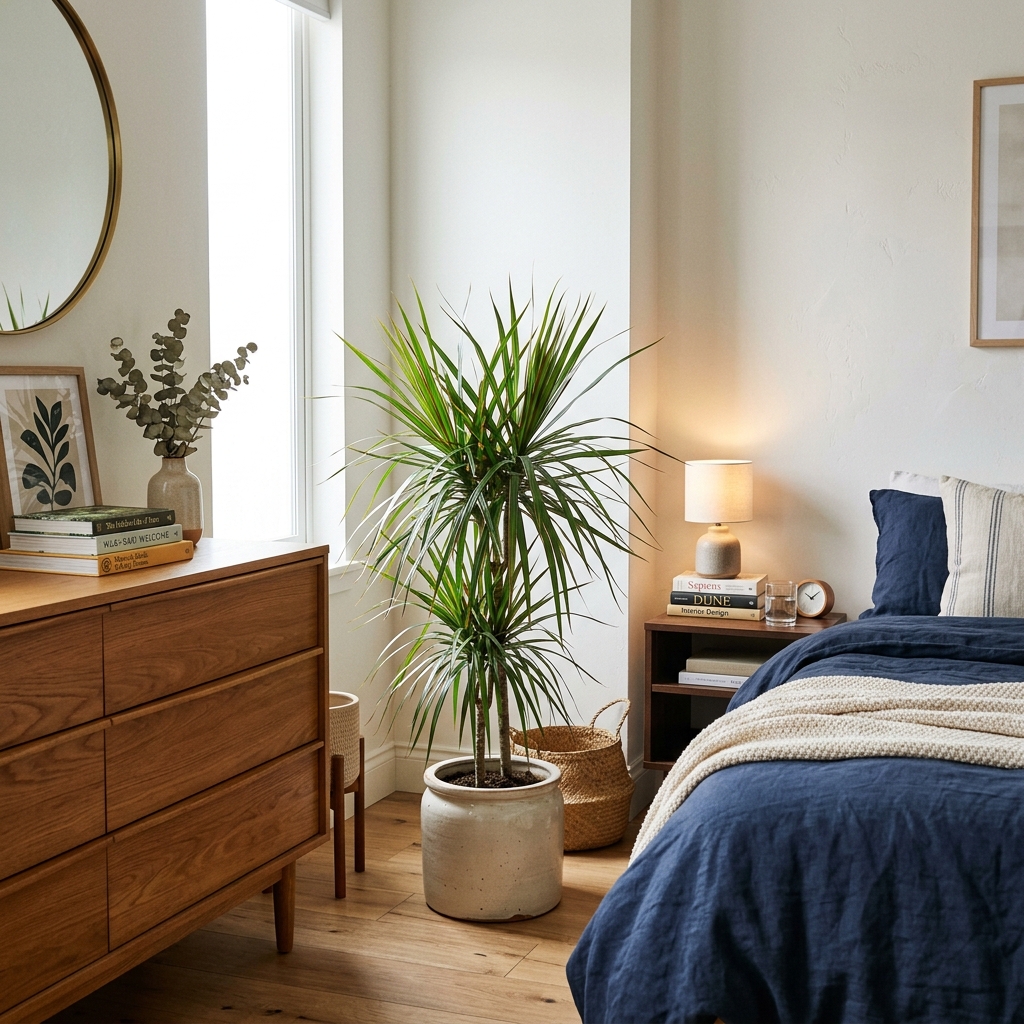
Dracaena for Clean Vertical Lines
Dracaena is a smart choice when you want a plant that adds height without a big footprint. The long, narrow leaves help fill blank vertical space, which is useful in corners next to media units, desks, or dressers.
It tolerates lower light than many people expect and only needs watering when the top half of the soil is dry. Prices usually land between $15–$40 depending on size. In my experience, the biggest mistake here is giving it too much water too often. It prefers a lighter touch.
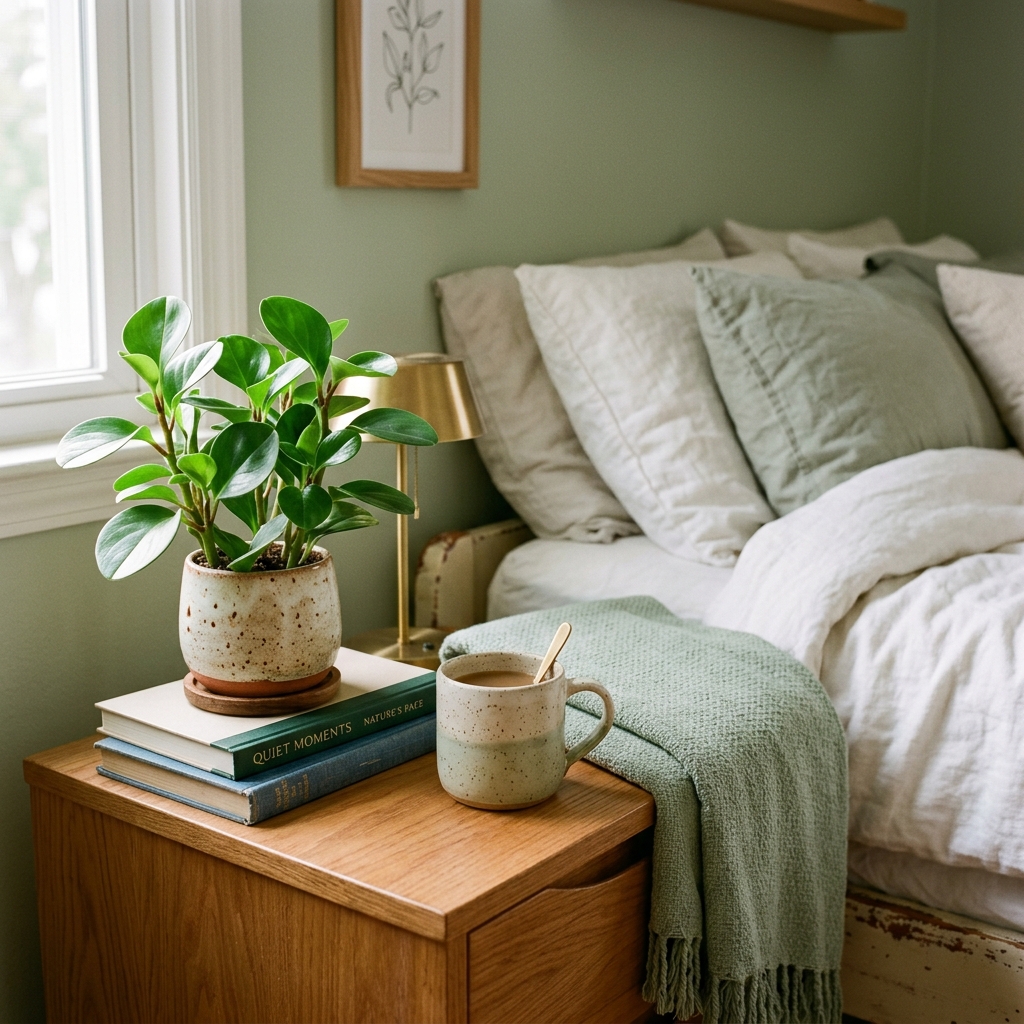
Peperomia for Small Spaces
Peperomia is one of those plants that works quietly in the background but still makes a shelf or desk feel finished. The leaves can be rounded, rippled, or slightly glossy depending on the type, so it gives you visual texture without demanding much care.
This is a great pick for apartments, dorms, or small desks. It stays compact, likes medium to bright indirect light, and only needs watering when the soil is mostly dry. Most cost around $10–$20. A lot of people overpot small plants, but keeping peperomia in a snug pot usually works better.
Ponytail Palm for a Fun Shape
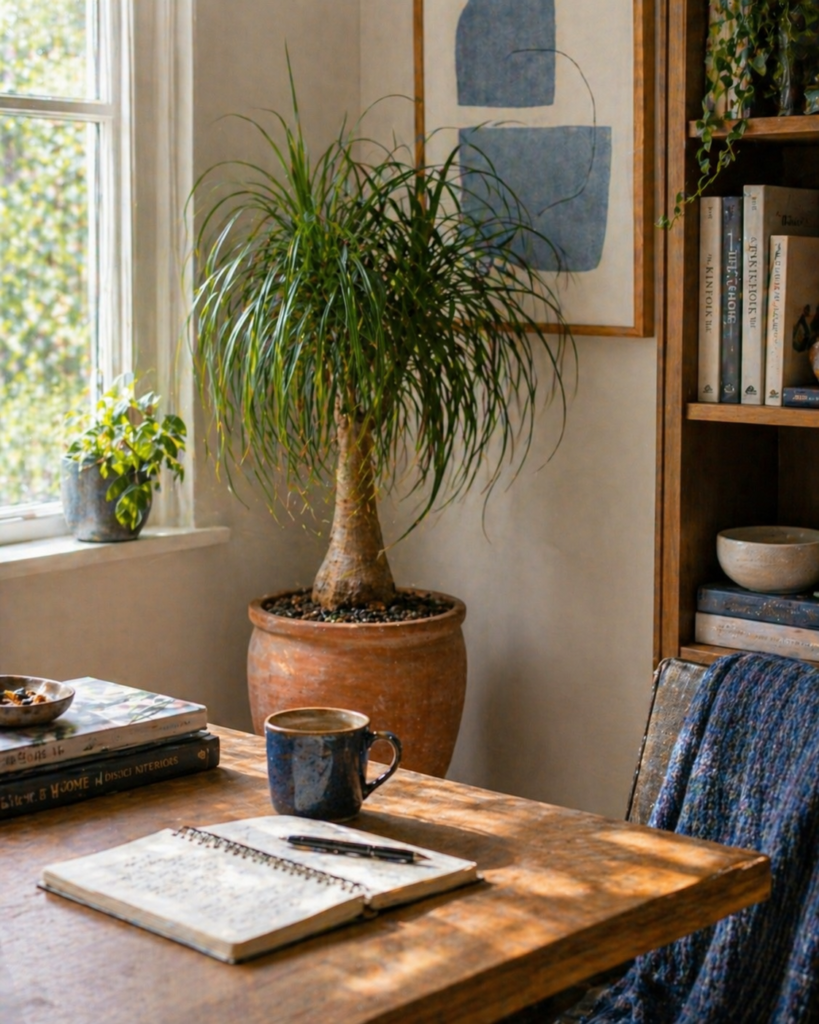
The ponytail palm has a bulb-like base and long, cascading leaves, which gives it a slightly playful look. It adds personality without looking childish, and it works really well in casual living rooms, entryways, or bright home offices.
Although it is called a palm, it behaves more like a succulent. Give it bright light, use a pot with drainage, and water only when the soil has fully dried out. Expect prices around $15–$35. What I personally love about this is that it feels decorative even when the rest of the styling is simple.
Boston Fern for Fresh Bathroom Styling
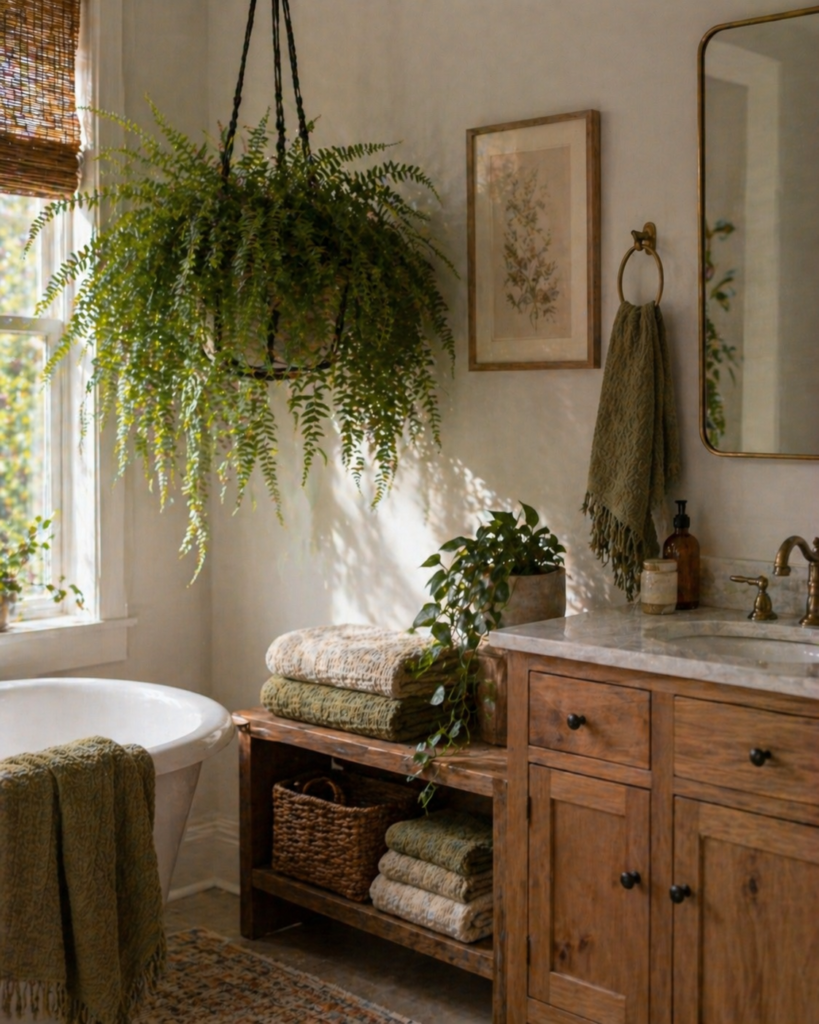
Boston ferns have soft, feathery fronds that make a room feel fuller and more relaxed. If your bathroom or laundry room feels too hard and plain with tile, mirrors, and straight lines, this plant helps soften everything up.
It likes humidity, so bathrooms are often the easiest place to keep it happy. Use a hanging basket or shelf planter, keep the soil lightly moist, and place it in bright to medium indirect light. Most cost $12–$28. Tip: if the fronds start going crispy, the air may be too dry.
Air Plant for Tiny Styling Moments
Air plants are perfect for those awkward little spots that need something but cannot fit a full pot. On a tray, shelf, or small side table, they add a touch of greenery without visual heaviness. They are especially good for modern home decor trends that still need warmth.
These plants do not use soil, but they do still need care. Soak them in water for about 20 to 30 minutes every week or two, then let them dry fully upside down before placing them back. Most cost $5–$15. A lot of people skip proper drying, but that makes all the difference.
Monstera for an Easy Statement Plant
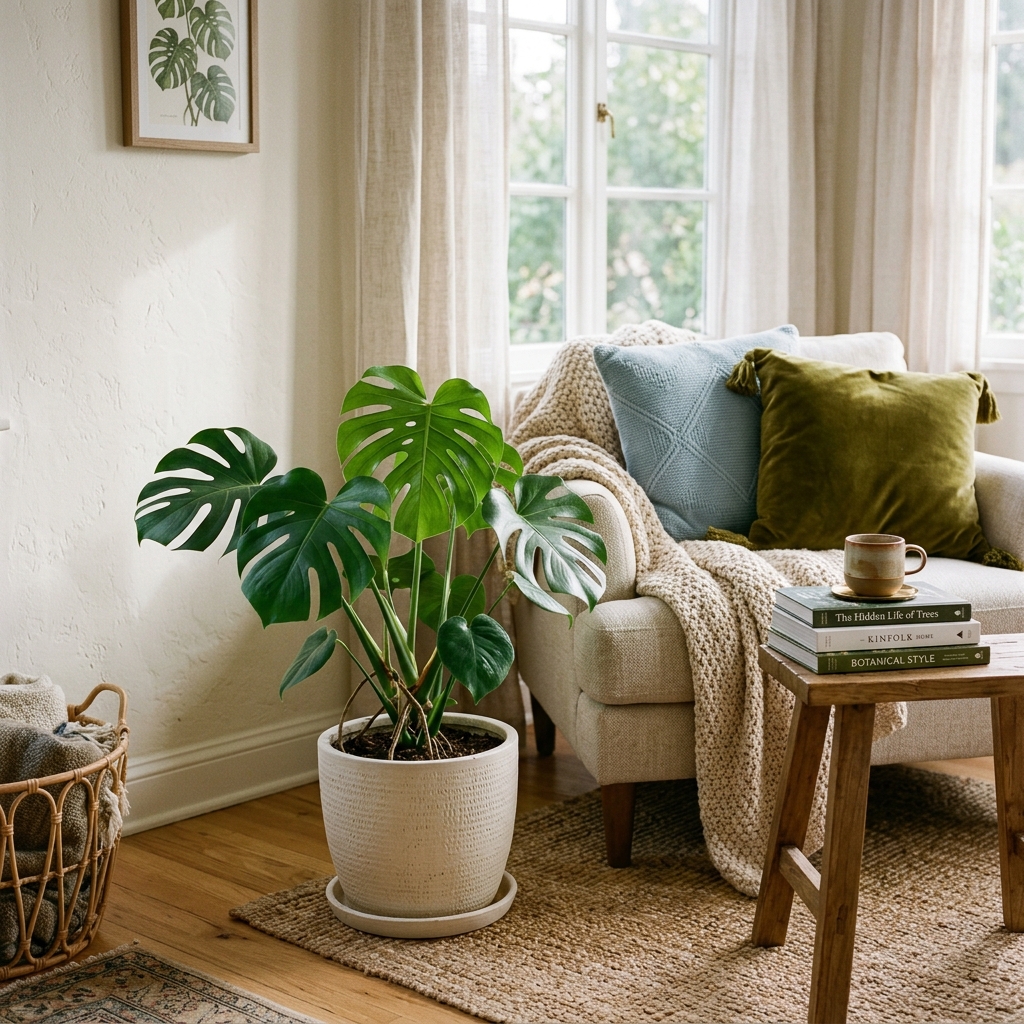
Monstera gives you that big-leaf look people love, but younger plants are much easier to manage than many assume. The split leaves add shape and drama, yet the overall feel is still relaxed and friendly, especially in living rooms with layered textures and affordable decor updates.
Keep it in bright indirect light, water when the top 2 inches of soil feel dry, and use a moss pole if you want it to grow upward instead of outward. A starter plant is often $20–$45. In my experience, buying a medium one is smarter than buying a giant plant right away because it is easier to adapt and style.
Conclusion
The best thing about choosing low maintenance plants perfect for beginners is that they let you learn without feeling like you are failing every week. A stylish home is not about buying the most expensive plant or knowing every botanical detail. It is about making small, smart choices that suit your light, your routine, and the way you actually live.
If you are just starting out, pick one or two plants from this list and place them where you will see them often. A snake plant in the hallway, a pothos on the shelf, or a jade plant on your desk can change the mood of a room more than people expect. That is the beauty of affordable decor updates like this. They are simple, useful, and full of personality.
What I personally love about easy plants is that they make home styling feel approachable instead of intimidating. You do not need perfection. You just need a few good choices and a little patience. Which of these ideas are you trying first? Drop it in the comments — I’d love to know.
FAQs
What is the easiest plant for a complete beginner?
Snake plant and pothos are usually the easiest places to start. Both are forgiving, easy to find, and not too expensive if you are still learning. Snake plants are better if you forget to water, while pothos is great if you want a trailing plant for shelves. If you only buy one, match it to your light first.
How often should beginners water indoor plants?
There is no one schedule that works for every plant, which is why checking the soil matters more than following a calendar. Most beginner plants prefer watering only after the top inch or two of soil has dried. In cooler months, many plants need less water than people expect. In my experience, overwatering causes more problems than underwatering.
Which low maintenance plants work in low light?
ZZ plant, snake plant, cast iron plant, peace lily, parlor palm, and Chinese evergreen are all solid choices for lower-light rooms. They do not need direct sun and can still look healthy in spaces with filtered or limited daylight. That said, “low light” does not mean “no light at all,” so avoid placing them in completely dark corners long-term.
Are low maintenance plants good for bedrooms?
Yes, many of them work beautifully in bedrooms because they add softness, color, and a calm feeling without taking up much space. Snake plants, pothos, peace lilies, and parlor palms are especially popular choices. Just be realistic about your lighting and make sure the pot has drainage. A bedside table, dresser, or corner stool can be enough.
What is the most common mistake beginners make with houseplants?
In my experience, the biggest mistake here is buying plants based only on looks and not on real conditions at home. The second most common mistake is watering too often because people think more care equals better care. It usually does not. Start with the right plant, use a pot with drainage, and let the soil guide you.