If your home feels a little flat lately — like something is missing but you can’t quite figure out what — you’re not alone. I hear this all the time. You rearrange furniture, add a throw, maybe even change the lighting… and still, the space feels incomplete. In my experience, the biggest mistake here is ignoring one of the easiest upgrades: plants.
The right greenery doesn’t just “decorate” a room — it softens edges, adds movement, and makes everything feel more alive. Even better, you don’t need a big budget or a complete makeover. A single well-placed plant can shift the entire mood of a space. Studies even show indoor plants can improve mental well-being and make your home feel more comfortable overall .
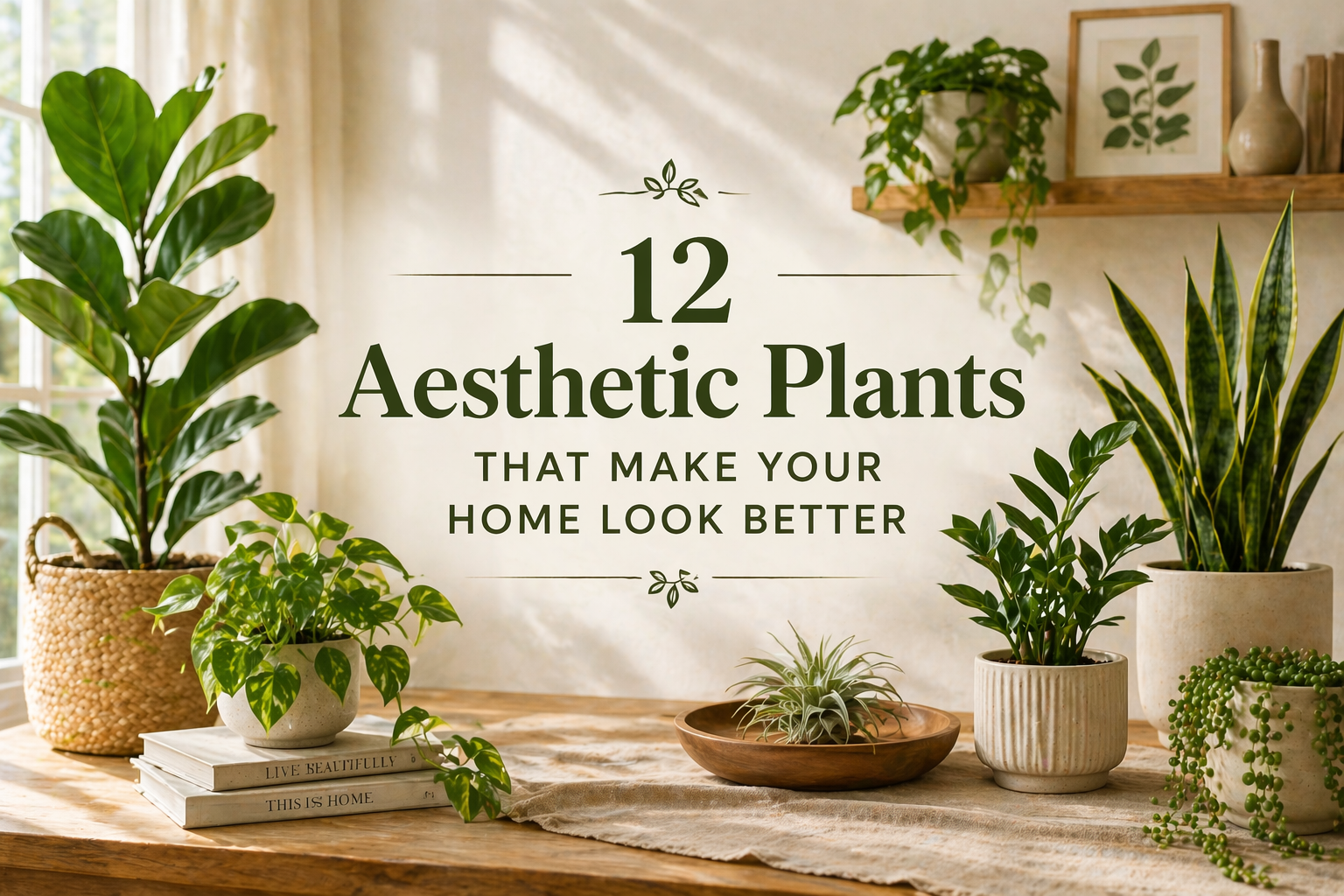
In this guide, I’m sharing 12 aesthetic plants that make your home look better — each one practical, realistic, and actually doable. These aren’t showroom setups. These are lived-in, cozy, Pinterest-worthy ideas you can start today.
Let’s get into it.
Monstera That Instantly Makes a Room Feel Lush
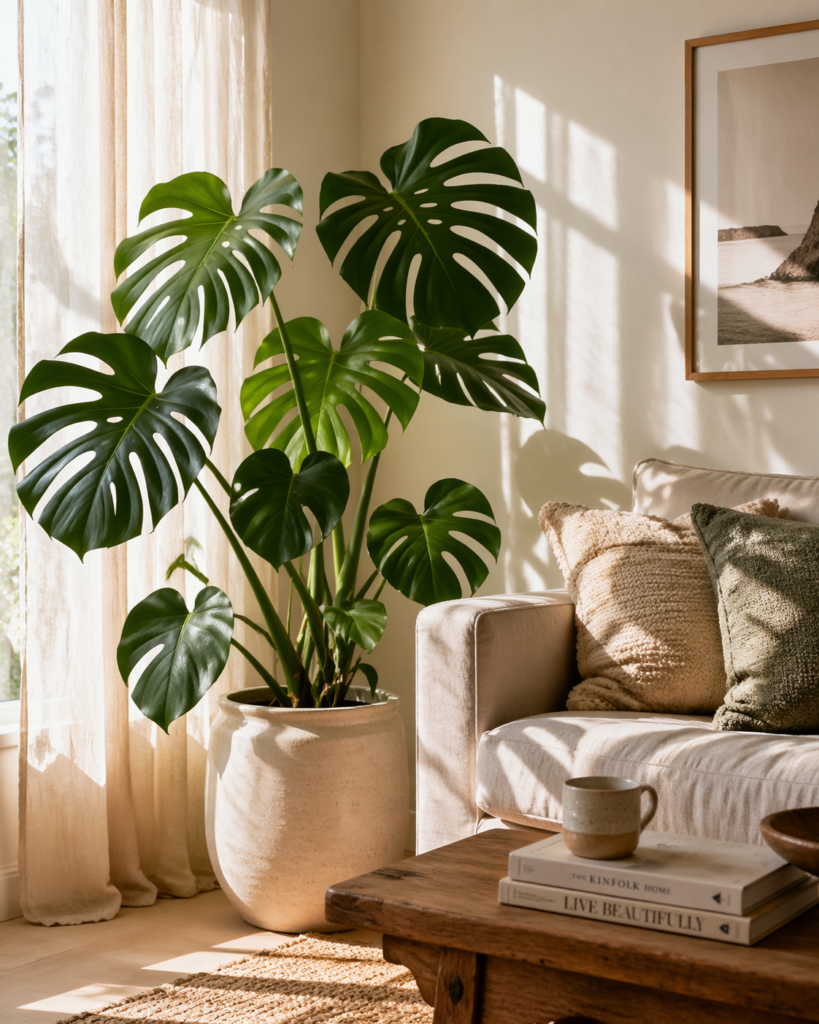
There’s something about a Monstera that makes a space feel full without looking crowded. Those big, split leaves catch the light in a way that feels almost architectural, especially near a window. It gives that calm, slightly tropical vibe without trying too hard.
Place it in a corner where it gets bright, indirect light. Use a simple ceramic or terracotta pot — nothing too glossy. I always recommend letting it grow slightly wild instead of over-pruning. Expect to spend around $25–$60 depending on size. Tip: don’t shove it into a dark corner — that’s the fastest way to kill the look (and the plant).
Snake Plant That Makes Minimal Spaces Look Intentional
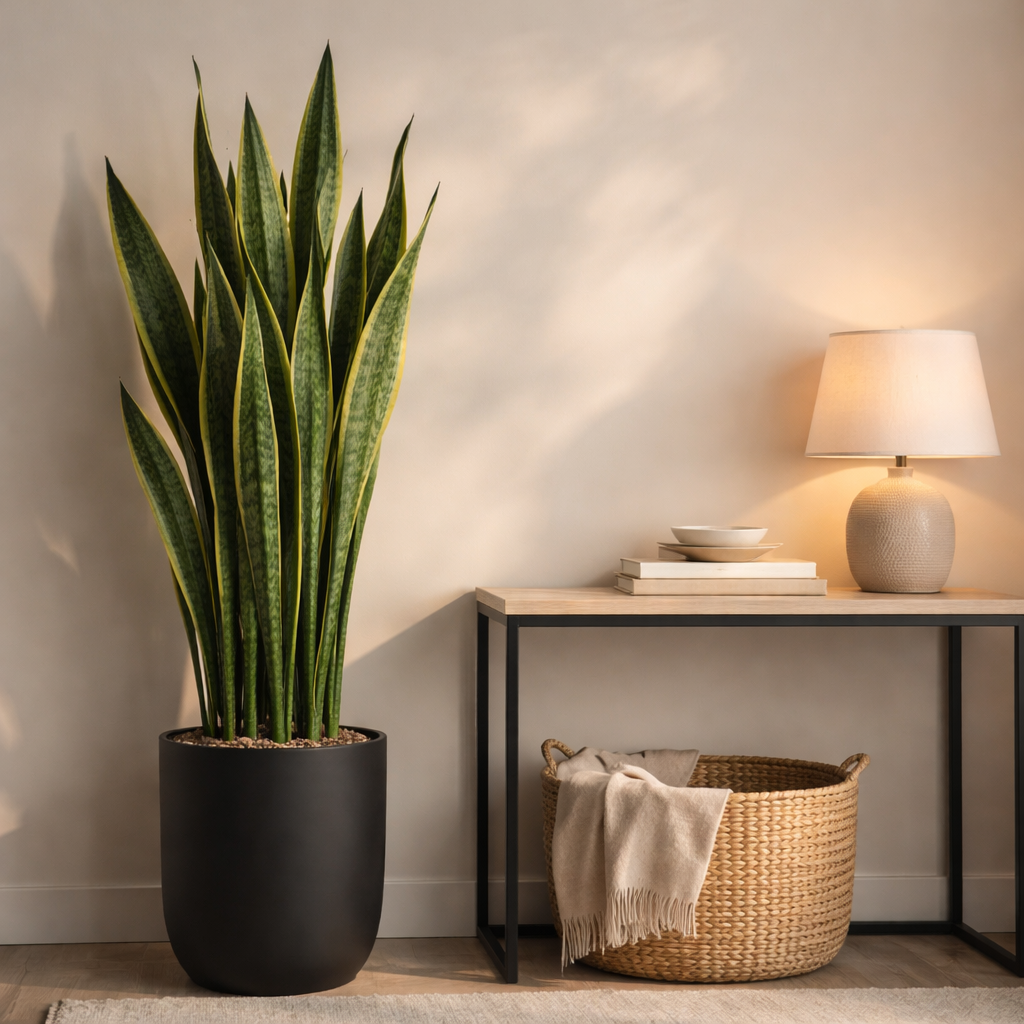
If your space leans minimal but feels a bit empty, this is your fix. Snake plants stand upright and structured, almost like natural sculptures. They bring height without visual clutter.
Put one beside a console, TV unit, or entryway. It thrives in low light and doesn’t need frequent watering, making it one of the easiest plants to maintain . You can find one for $10–$30. What I personally love about this is how forgiving it is — but don’t overwater it. That’s the one mistake people always make.
Pothos That Softens Shelves and Corners
Trailing plants instantly make a space feel more relaxed and lived-in. Pothos is perfect for that — its vines naturally drape over shelves, cabinets, or even curtain rods.
Let it spill over open shelving or place it in a hanging planter. It tolerates low light and is incredibly adaptable . Budget-wise, you can start with $8–$20. A lot of people skip trimming, but occasional pruning actually makes it fuller.
Peace Lily That Adds Soft Elegance
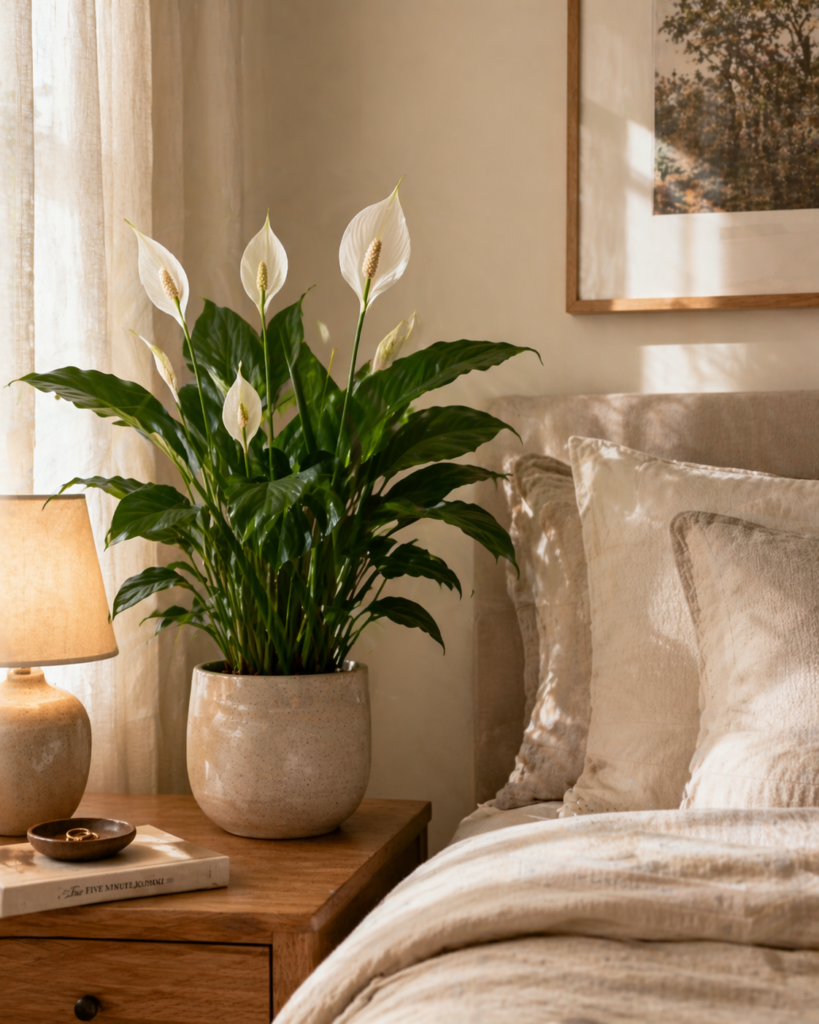
Peace lilies are one of those plants that quietly make everything look better. The deep green leaves paired with soft white blooms bring a calm, slightly refined feel to any room.
Keep it in low to medium light and water when the soil feels dry. It’s beginner-friendly and doesn’t demand much attention . Expect to pay around $15–$40. Tip: if the leaves droop, it’s just thirsty — not dying.
Fiddle Leaf Fig That Becomes the Focal Point
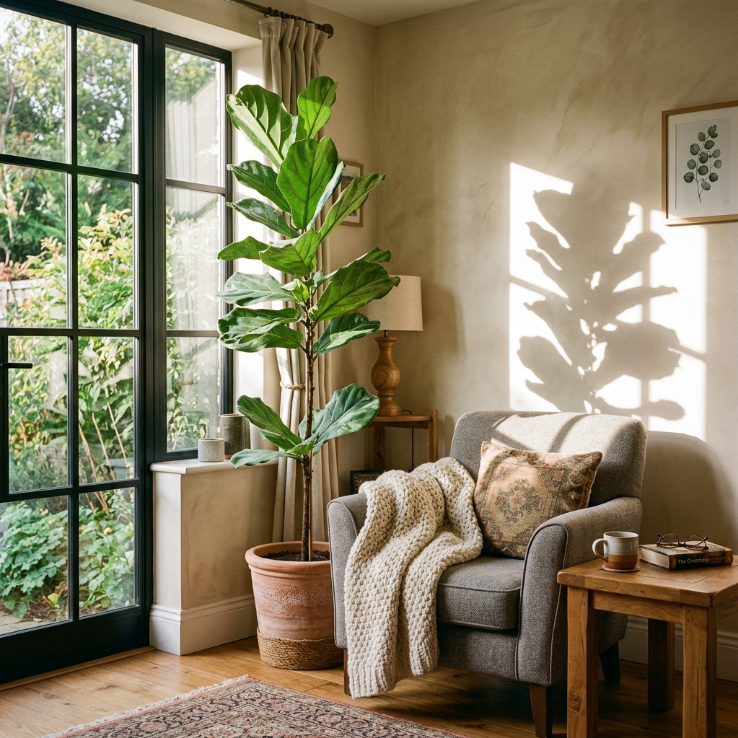
This is the plant people notice immediately. A fiddle leaf fig fills vertical space and works almost like a statement piece.
Place it in a bright spot near a window, but avoid direct harsh sunlight. It’s slightly higher maintenance, but worth it if you want impact. Prices range from $40–$120 depending on size. In my experience, the biggest mistake here is moving it too often — it hates that.
Rubber Plant That Adds Depth and Contrast
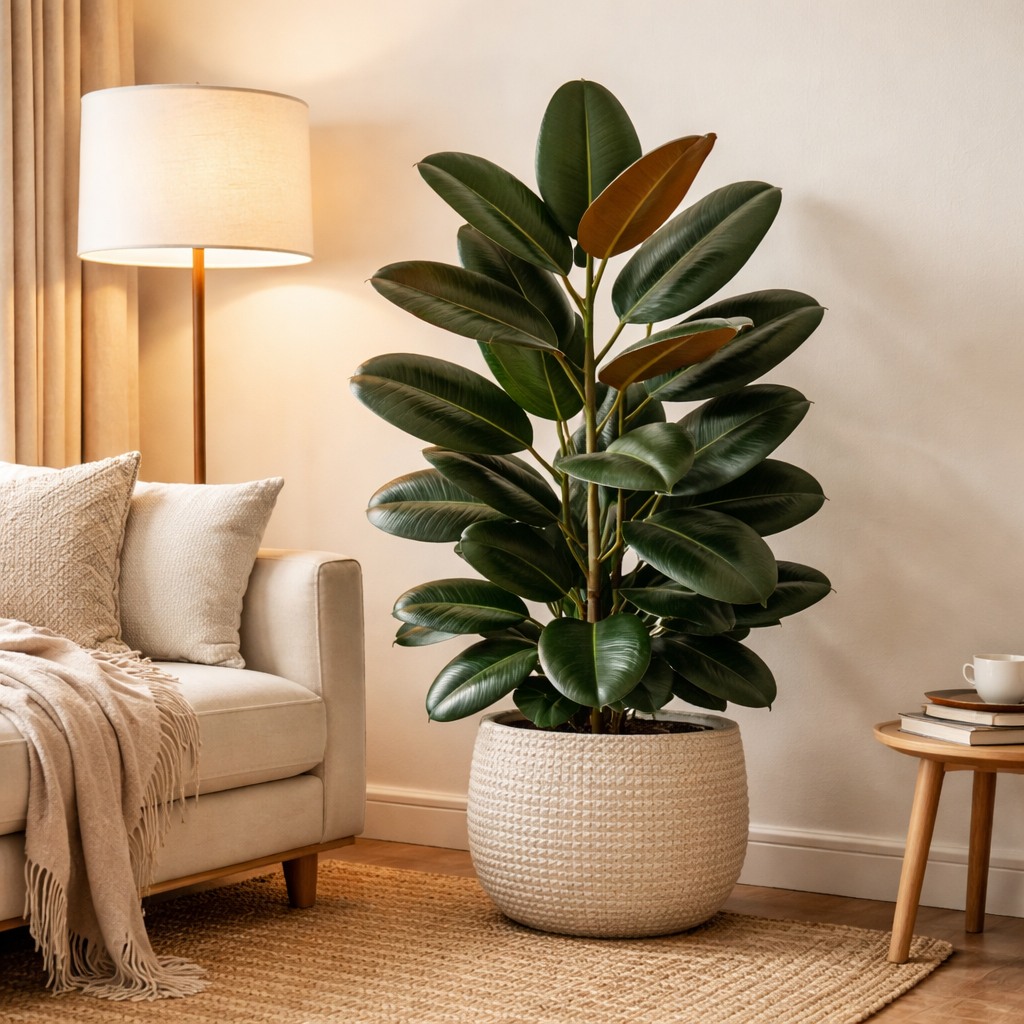
If your space feels flat, this plant fixes it instantly. The deep green (sometimes burgundy) leaves create contrast, especially in lighter rooms.
Place it in a corner with indirect light and water weekly. It’s durable and beginner-friendly . Costs around $20–$50. Tip: wipe the leaves occasionally — dust dulls the shine.
Areca Palm That Brings a Light, Airy Feel
If your room feels heavy or closed in, this is the plant I always recommend. The soft, feathery leaves instantly lighten the space.
Place it near a window with filtered light. It also helps maintain humidity indoors . Budget is around $25–$70. Don’t overwater — keep the soil slightly moist, not soggy.
Calathea That Adds Pattern and Personality
Calatheas are all about visual interest. Their patterned leaves feel almost painted, making them perfect if your space needs a bit of character.
Keep it in indirect light and higher humidity. It’s a bit more sensitive, but worth it for the look. Prices range from $15–$35. A lot of people skip humidity — that’s why their leaves curl.
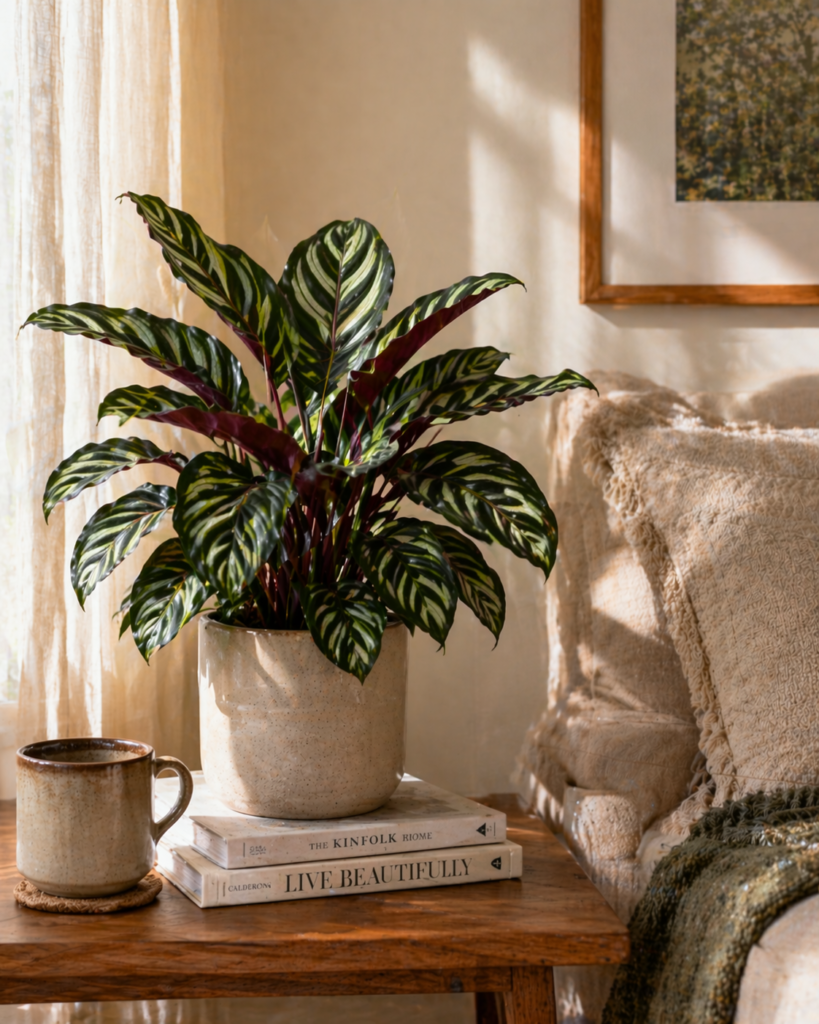
ZZ Plant That Works Anywhere (Even Dark Corners)
This is the plant for spaces where nothing seems to survive. It’s clean, glossy, and structured — perfect for modern interiors.
Place it in low light and water sparingly. It’s extremely drought-tolerant . Costs around $15–$40. I always recommend this to anyone who says, “I kill every plant.”
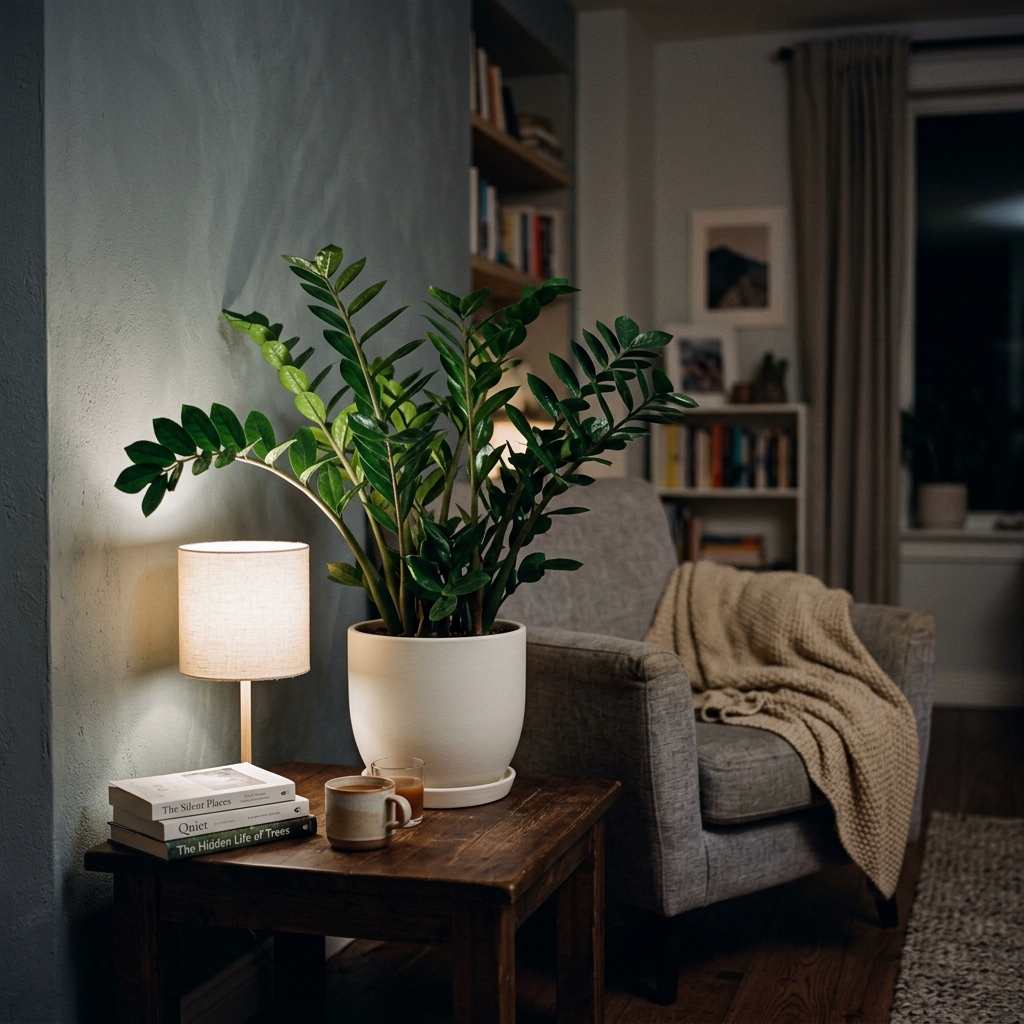
Boston Fern That Softens Hard Edges
If your space feels too structured or boxy, this plant softens everything. The soft, flowing fronds add movement and texture.
Hang it near a window or place it on a stand. It loves humidity and indirect light. Budget is around $15–$30. Mist it occasionally — dry air makes it look tired.
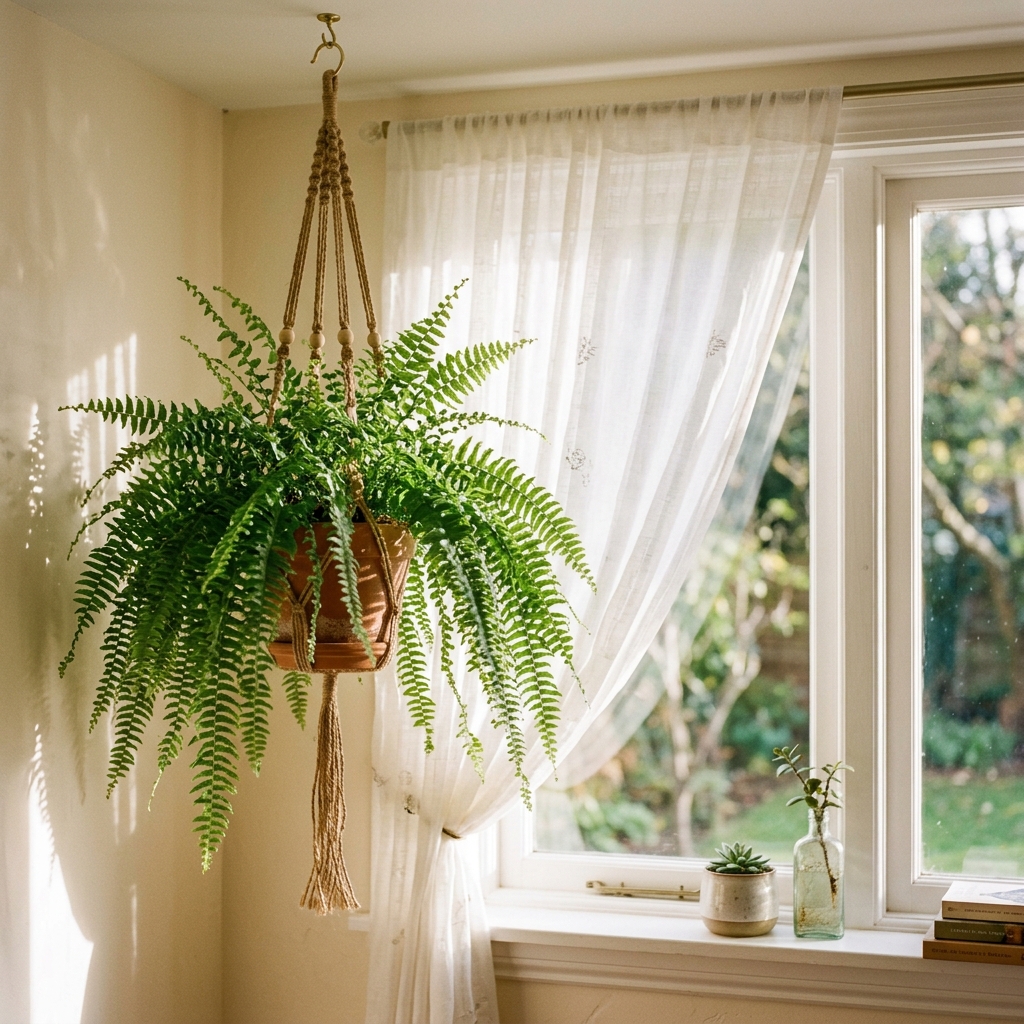
Philodendron Birkin That Looks Modern and Clean
This one feels fresh and slightly unique. The striped leaves give it a modern edge without being overwhelming.
Place it on a desk, shelf, or side table. It thrives in moderate light and is fairly easy to maintain . Expect $20–$50. Tip: rotate it occasionally so it grows evenly.
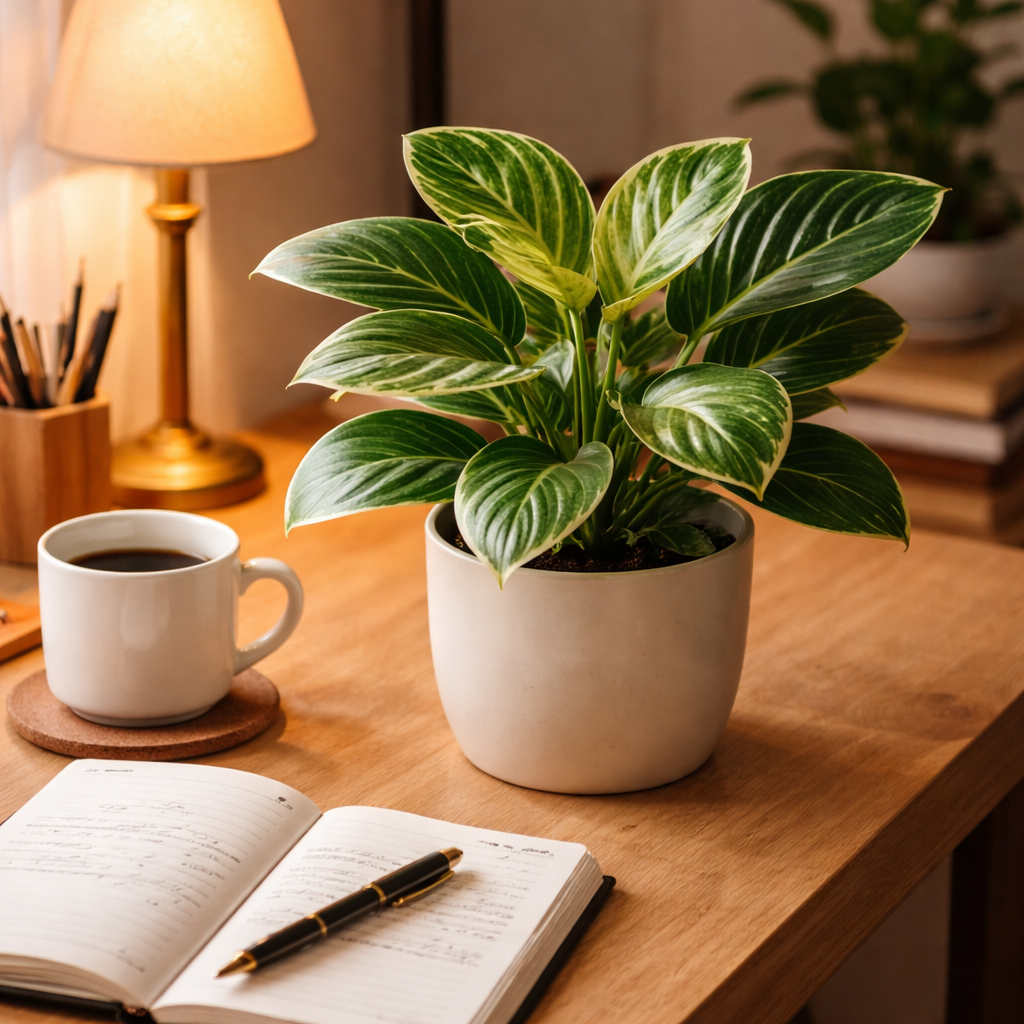
String of Pearls That Adds a Unique Touch
This is for when you want something a little different. The bead-like leaves drape down beautifully and add visual interest.
Place it in a hanging planter or high shelf with bright light. It’s a succulent, so water sparingly. Costs around $10–$25. Overwatering is the biggest mistake here.
Conclusion
The truth is, creating a beautiful home isn’t about buying everything new — it’s about adding the right elements in the right places. And plants? They’re one of the simplest ways to do that.
If you’re feeling stuck, start small. Pick one or two from this list of aesthetic plants that make your home look better, place them thoughtfully, and see how your space changes. In my experience, once you add one, you’ll want more — because the difference is that noticeable.
A cozy, personal home doesn’t come from perfection. It comes from layers, warmth, and a few thoughtful choices that reflect how you actually live.
So tell me — which of these are you trying first?
FAQs
What are the easiest aesthetic plants for beginners?
Snake plants, pothos, and ZZ plants are the easiest to start with. They tolerate low light and irregular watering, making them perfect if you’re new to plant care. These plants are also widely available and affordable, so there’s little risk if you’re experimenting.
Do indoor plants really improve how a home feels?
Yes, and not just visually. Indoor plants can boost mood, reduce stress, and make spaces feel calmer and more inviting . Even one or two plants can make a noticeable difference.
How many plants should I have in one room?
It depends on the size of the room, but a good rule is 2–5 plants for a standard living room. Mix heights and styles — one tall plant, one trailing, and a smaller tabletop option works well.
Where should I place plants for the best look?
Near windows, corners, shelves, and empty floor spaces are ideal. A lot of people cluster everything together, but spreading plants out makes the space feel more balanced and natural.
What’s the biggest mistake people make with indoor plants?
Overwatering — by far. Most indoor plants prefer slightly dry soil rather than constantly wet roots. If you’re unsure, wait an extra day before watering.