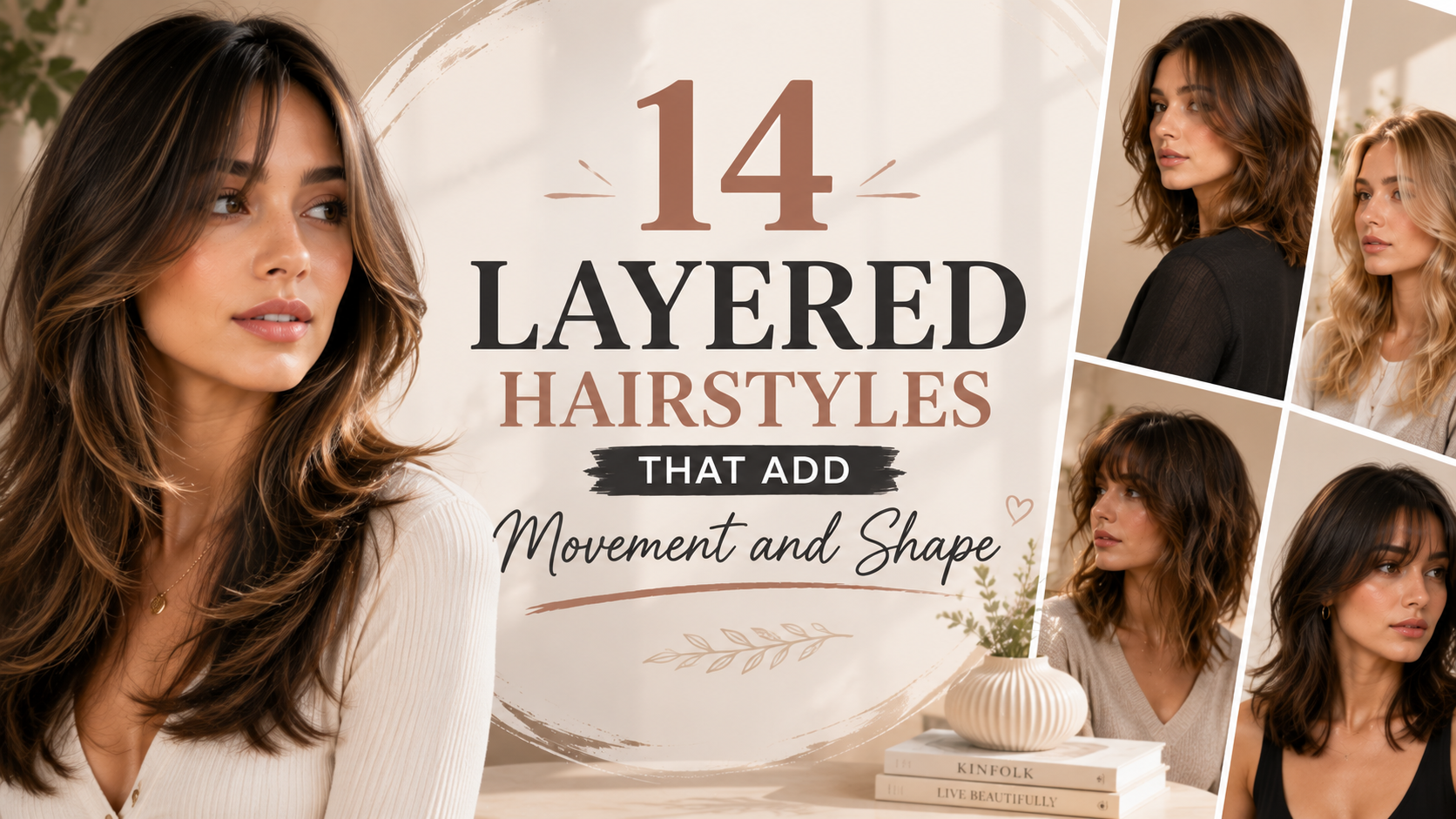
Hair can start to feel flat and repetitive when it has grown into one solid length. You may like the overall length but still feel that it hangs heavily, lacks volume, or does not frame your face in a flattering way. That is where layered hairstyles can make a noticeable difference without requiring a dramatic haircut.
The right layers remove weight from selected areas while adding movement, shape, and natural texture. Even small changes around the face or ends can make your hair easier to style and give it more personality. The goal is not to create perfect salon hair every morning. It is to find a cut that works with your natural texture, daily routine, and preferred level of maintenance.
Below are 14 layered hairstyles that work across short, medium, and long hair. Each idea includes the styling logic behind the cut, practical advice for recreating it, realistic costs, and a Pinterest-friendly image prompt. Keep reading because the right type of layering could completely change how your current length behaves.
1. Long Face-Framing Layers That Soften the Features
Long face-framing layers create gentle movement around the cheekbones, jaw, and collarbone while leaving most of the overall length untouched. The shorter front pieces move naturally when you turn your head and give long hair more shape without making it feel noticeably shorter. This style looks especially soft with a centre part and a relaxed blowout.
Ask your stylist to begin the shortest pieces around the chin, then blend them gradually into the remaining length. Style the front sections away from the face with a round brush or large roller. In my experience, the biggest mistake here is cutting the first layer too short, especially if you frequently tie your hair back. A full haircut usually costs around $50 to $120, while large rollers cost approximately $10 to $25.
2. Butterfly Layers With Soft, Airy Volume
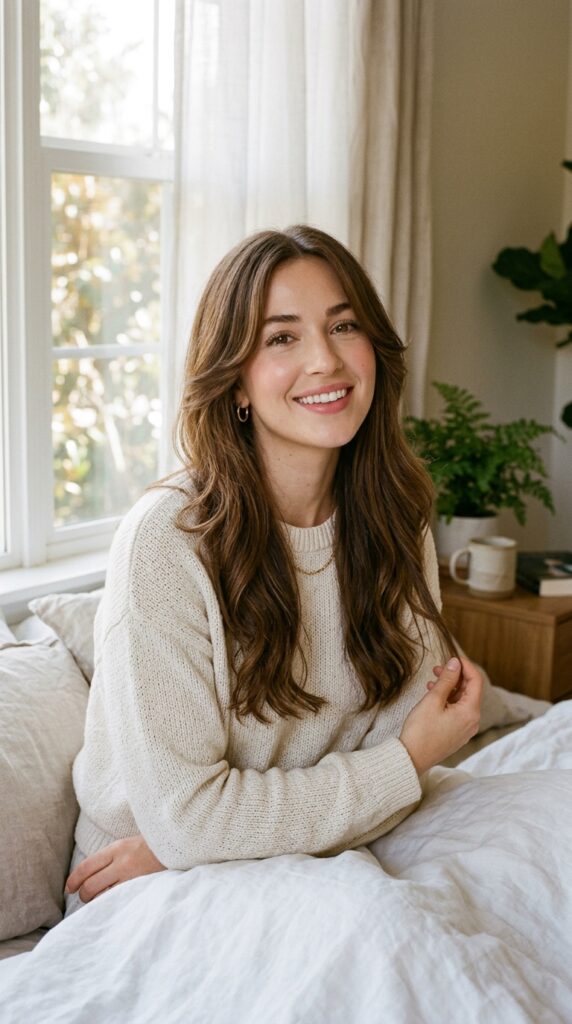
Butterfly layers combine shorter sections around the face with longer layers through the back. This creates an airy shape that looks full and bouncy without sacrificing much length. The lifted front pieces open the face, while the longer ends maintain that flowing, feminine feeling many people want from long hair.
Ask for shorter layers around the cheekbones and longer blended layers below the shoulders. A round brush, blow-dry brush, or large Velcro rollers can create the signature outward bend. A lot of people skip this detail, but cooling the hair around the rollers helps the shape last longer. Avoid too many short crown layers, which can become difficult to control. The haircut may cost $60 to $140, with an affordable blow-dry brush available for $30 to $70.

3. Shoulder Length Layered Hairstyle With Flipped Ends
Shoulder length hair can sometimes sit awkwardly against the shoulders and lose its shape. Adding light layers and softly flipped ends gives it movement while keeping the overall look neat. The outward bend feels playful and modern, especially when paired with a clean centre part and simple everyday makeup.
Ask for long, blended layers that begin below the chin so the haircut does not become too rounded. Use a medium round brush or straightener to turn the final inch of hair outward. What I personally love about this style is that it makes a basic haircut look intentional without requiring curls. Avoid using strong hairspray, as stiff ends can make the flip look dated. A cut may cost $45 to $100, while a flexible styling spray costs around $8 to $20.
4. Soft Shag Layers With Natural Texture
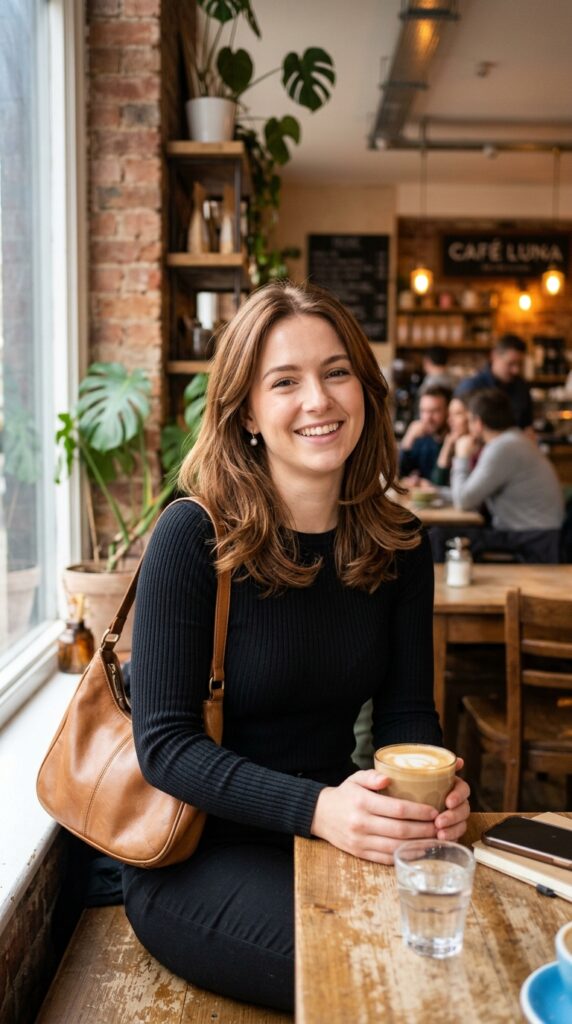
A soft shag uses shorter crown layers, wispy ends, and natural texture to create a relaxed shape. It works particularly well with slightly wavy hair because the layers encourage bends and movement that may already be present. The result feels casual and creative without becoming as dramatic as a full retro shag.
Ask for gentle crown volume and textured layers that blend into the length. Apply mousse or lightweight curl cream to damp hair, then scrunch and air-dry. In my experience, the biggest mistake here is applying heavy oil before the hair dries because it can flatten the texture. Use a small amount only on the ends afterward. A shag haircut generally costs $60 to $140, while an affordable mousse or curl cream costs $8 to $20.
5. Layered Bob With Softly Textured Ends
A layered bob feels lighter and more flexible than a completely blunt bob. Subtle layers keep the ends from sitting in one heavy line and allow the hair to move around the jaw and neck. This style can look clean enough for work while still feeling relaxed with casual clothing and minimal makeup.
Ask for a chin-length or jaw-length bob with light internal layers rather than heavily feathered ends. Style it with a round brush for softness or add a few irregular bends with a straightener. I always recommend keeping the back layers slightly longer if your hair tends to puff up. Removing too much weight can make thick hair difficult to control. A layered bob normally costs between $45 and $110, while a lightweight texture spray costs around $10 to $22.
6. Curly Layered Hairstyle With a Rounded Shape
Layers can help curly hair hold a balanced shape rather than becoming heavy at the bottom. A softly rounded silhouette allows curls to sit around the face and shoulders with more even volume. The movement feels lively and natural, while the defined shape helps the haircut look intentional even on low-styling days.
Ask for curl-by-curl shaping or rounded layers designed around your individual curl pattern. Apply leave-in conditioner and gel to soaking-wet hair, then diffuse on low heat or air-dry. A common mistake is cutting curly hair according to straight-hair measurements, since curls shrink differently as they dry. A specialist curly haircut may cost $80 to $200, but an affordable leave-in conditioner and gel combination can be purchased for around $20 to $40.
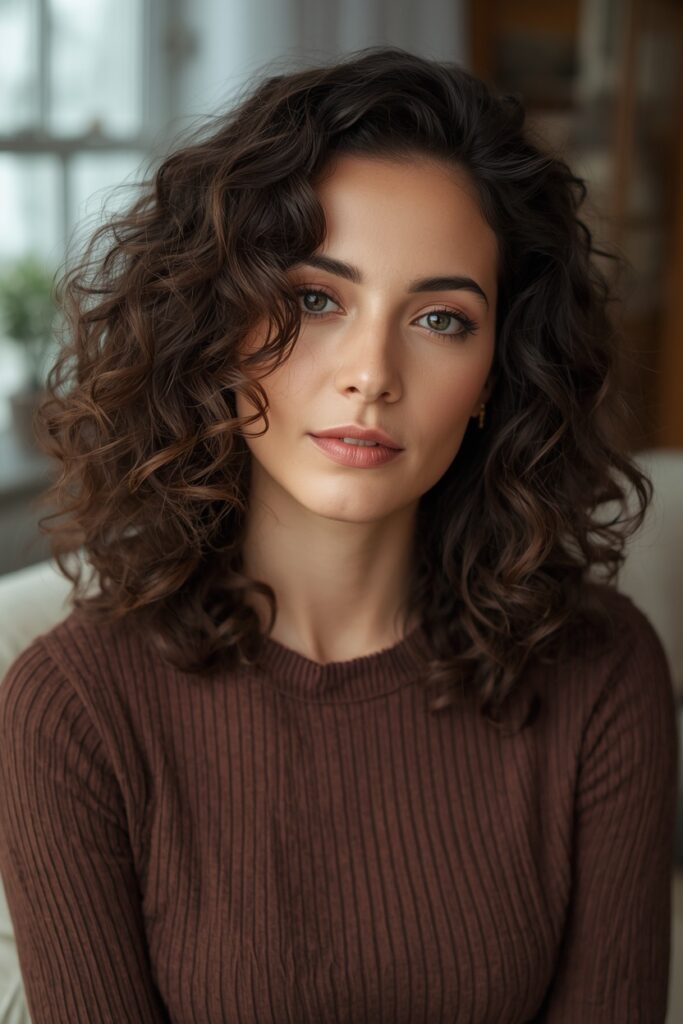
7. Wispy Layers With Soft Curtain Bangs
Wispy layers and curtain bangs work together to create movement around the face without making the haircut feel heavy. The bangs part naturally in the centre and blend into the side layers, creating a soft frame around the eyes and cheekbones. This style looks especially pretty with medium or long hair that already has a slight wave.
Ask for longer curtain bangs that begin near the eyebrows and gradually connect with cheekbone or chin-length layers. Blow-dry the fringe forward first, then separate it to each side. A lot of people skip this step, but it prevents the bangs from splitting awkwardly at the roots. Avoid asking for thick bangs if your hair is fine. A fringe trim may cost $15 to $40, while a complete layered cut usually ranges from $55 to $130.
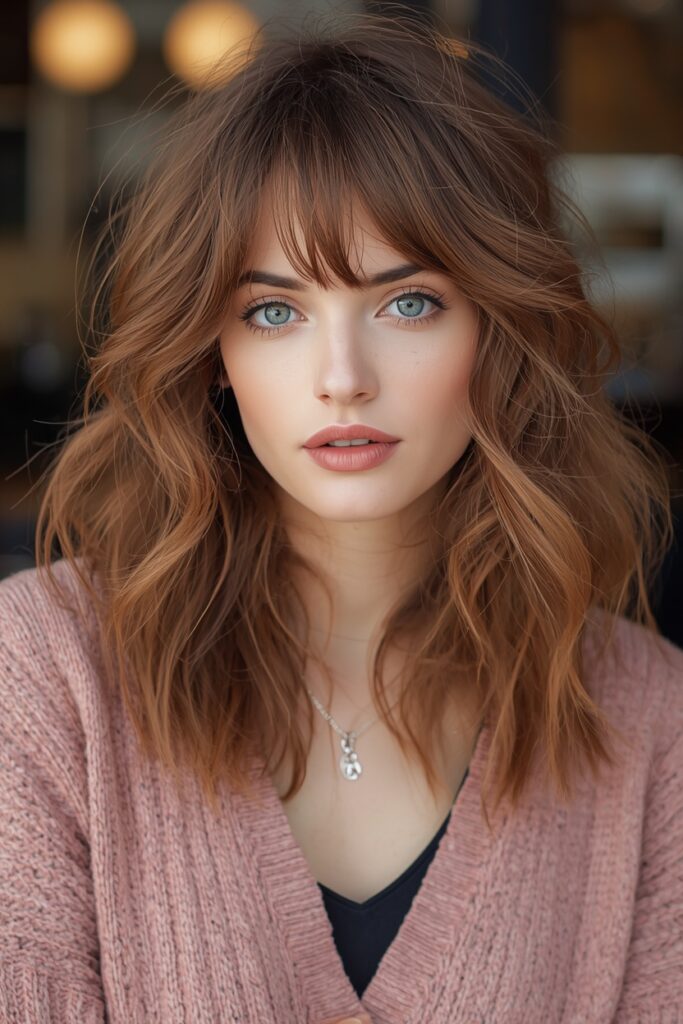
8. Long Layers With Loose Everyday Waves
Long layers prevent lengthy hair from hanging in one heavy sheet. When styled with loose waves, each layer catches the light and moves separately, giving the hair more dimension. The result feels relaxed and wearable rather than formal, making it suitable for work, weekends, dinners, and casual events.
Ask your stylist to keep the shortest layers below the shoulders if you want to preserve fullness. Create waves with a large curling iron, alternating the direction of each section and leaving the ends slightly straighter. What I personally love about this hairstyle is that the waves do not need to look identical. Avoid curling every section in the same direction. A long layered cut may cost $60 to $150, while a dependable curling tool generally costs $30 to $80.
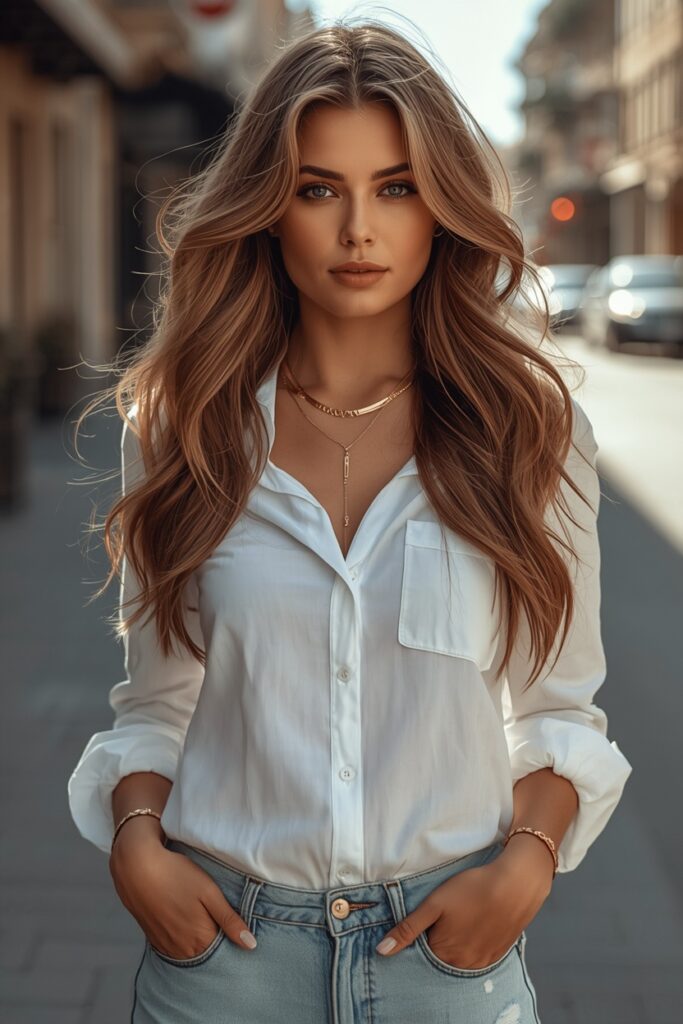
9. Choppy Collarbone Layers for Added Texture
Choppy collarbone layers create a slightly piecey finish that gives medium-length hair more personality. The ends move in different directions rather than forming a perfectly smooth line, making the hairstyle feel relaxed and modern. It is especially useful for straight or slightly wavy hair that tends to look flat.
Ask for textured layers around the collarbone with light point-cutting through the ends. Add random bends using a straightener, leaving several sections naturally straight. In my experience, the biggest mistake is applying too much texture spray because it can make the ends appear dry. Start with a small amount and add more only where needed. A haircut may cost $50 to $120, while an affordable dry texture spray generally costs $10 to $25.
10. Subtle Layers for Fine Hair That Preserve Fullness
Fine hair can benefit from layers, but the placement needs to be thoughtful. A small amount of layering around the front and interior creates movement while preserving a strong baseline through the ends. The finished haircut looks fuller and lighter without appearing thin or overly feathered.
Ask your stylist for minimal internal layers and a mostly blunt perimeter. Keep the shortest visible pieces near the chin or collarbone. I always recommend avoiding heavy thinning shears on fine hair because they can remove the density that makes the ends look healthy. Use a lightweight volumising mousse at the roots rather than thick styling creams. A professional cut usually costs $45 to $110, and a drugstore volumising product can cost around $8 to $18.
11. Layered Pixie Cut With a Longer Textured Top
A layered pixie combines shorter sides and back with slightly longer texture through the top. The additional length creates movement and allows the hair to be swept forward, sideways, or slightly upward. It feels practical and confident while still offering several styling options for everyday wear.
Ask for soft graduation around the sides with longer, piecey layers on top. Use a small amount of matte paste or lightweight styling cream to separate the pieces. A common mistake is using too much product, which can make short hair look greasy very quickly. Begin with less than a pea-sized amount. A pixie cut generally costs $35 to $90 and may need reshaping every four to eight weeks. Styling paste usually costs $8 to $22.
12. Layered Lob With a Deep Side Part
A layered lob sits around the shoulders or collarbone and gains extra movement from a deep side part. The heavier section naturally falls across the forehead, creating volume without teasing or complicated styling. Light layers through the ends stop the longer side from appearing bulky.
Ask for a collarbone-length lob with gentle internal layers and a clean, softened perimeter. Move the part slightly beyond the natural centre and use a round brush to lift the roots. What I personally love about this style is that changing the part can make the haircut feel new without removing more length. Avoid excessive thinning near the front. The haircut normally costs $50 to $120, while root-lifting spray costs around $10 to $25.
13. U-Shaped Long Layers That Keep the Ends Full
A U-shaped haircut creates a gentle curve across the back, with the centre remaining slightly longer than the sides. When combined with long layers, it adds movement while preserving fullness through the ends. The shape looks especially attractive from the back and prevents long hair from appearing boxy.
Ask your stylist for a soft U-shaped perimeter with long layers that begin well below the shoulders. This works best when the transition between lengths is smooth rather than sharply stepped. A lot of people request too many layers after seeing a styled photo, but excessive layering can make the bottom look sparse. A professional long haircut generally costs $60 to $150. A wide-tooth comb and lightweight serum can be purchased for around $15 to $30.
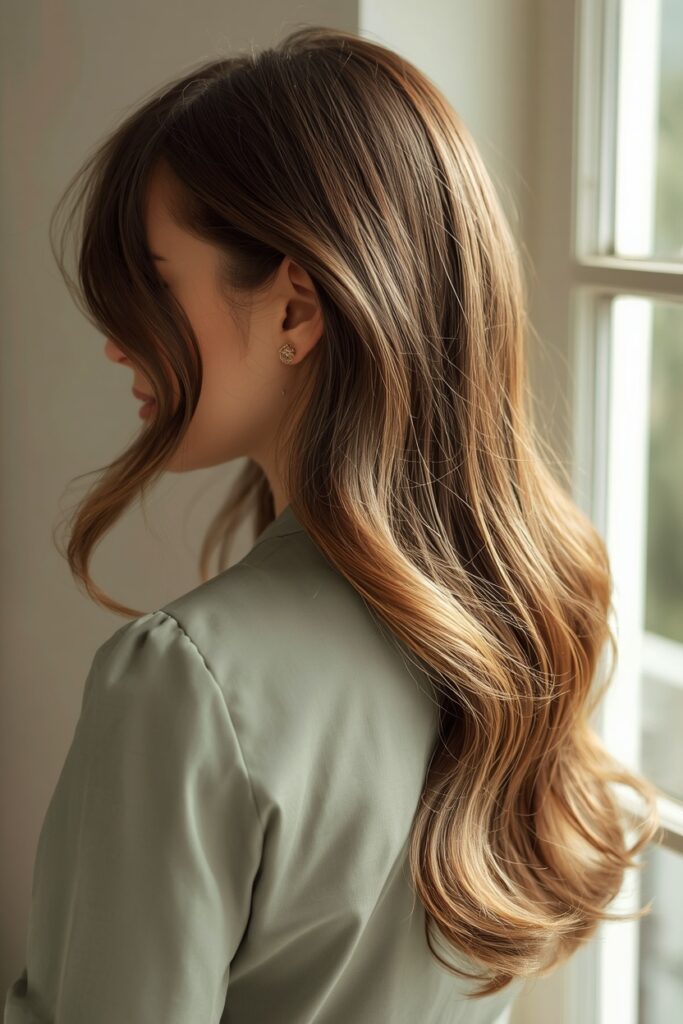
14. Layered Hairstyle With Soft Feathered Ends
Feathered ends create light, separated movement through the final few inches of the hair. Unlike heavily feathered cuts from past decades, the modern version keeps the overall shape smooth and uses only enough texture to stop the ends from feeling heavy. It works particularly well for thick, straight, or slightly wavy hair.
Ask for long blended layers with subtle point-cutting through the lower sections. Blow-dry the ends with a round brush, turning some pieces inward and others slightly outward. In my experience, the biggest mistake is feathering the entire haircut too heavily, which can reduce fullness. Keep most of the texture below the chin. A layered cut may cost $50 to $130, while a round brush and smoothing serum together usually cost $20 to $45.
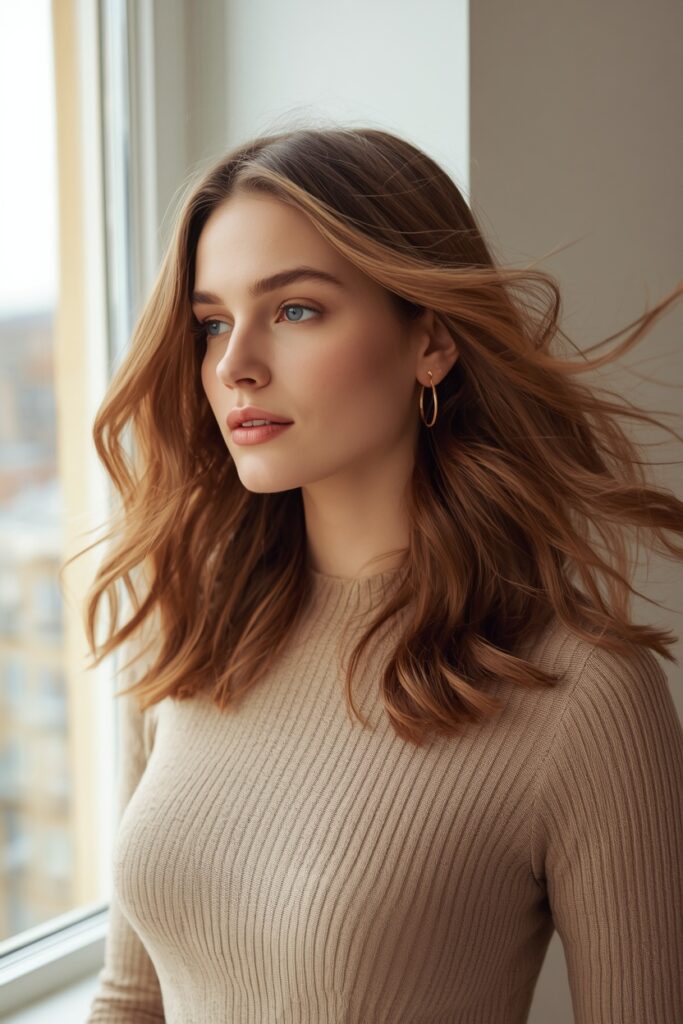
Final Thoughts on Layered Hairstyles
The best layered hairstyles do more than follow a trend. They help the hair move better, sit more naturally, and feel easier to manage. A few thoughtful layers around the face may be enough to refresh your current cut, while a shag, butterfly cut, or layered bob can create a more noticeable change.
You also do not need to copy a reference photo exactly. Hair density, texture, curl pattern, and daily routine all affect how layers will behave. Bring inspiration to your stylist, but discuss which parts of the cut will realistically work for you.
Start with one or two changes rather than requesting every type of layer at once. You might begin with longer face-framing pieces or subtle texture through the ends. Great hair is usually the result of choosing a shape that works with your natural hair, not fighting it every morning.
Which of these layered hairstyles would you genuinely consider trying next? Share your favourite in the comments because I would love to know.
Frequently Asked Questions
Do layers make hair look thicker or thinner?
Layers can make hair look thicker when they add volume and movement in the right areas. However, too many layers can make fine hair appear thinner, particularly around the ends. Fine hair usually benefits from subtle internal layers and a fuller perimeter. Thick hair can handle more layering because there is additional density to support the shape.
What type of layers are easiest to maintain?
Long, blended layers are usually the easiest to maintain because they grow out smoothly and still fit into ponytails or buns. Face-framing layers that begin near the chin are also manageable for most people. Short crown layers, heavy shags, and full fringes may require more frequent styling and trimming. Consider how much time you realistically spend on your hair before choosing the cut.
How often should layered hair be trimmed?
Most layered hairstyles benefit from a trim every eight to twelve weeks. Short layered cuts and fringes may need reshaping every four to eight weeks. Long layers can often go slightly longer between appointments if the ends remain healthy. Regular trims prevent the layers from losing their intended shape and help remove split ends.
Are layered hairstyles suitable for curly hair?
Yes, correctly placed layers can improve the shape and movement of curly hair. They help distribute volume and prevent the hair from becoming overly heavy at the bottom. Curly hair should ideally be cut by someone who understands curl shrinkage and different curl patterns. Bring photos of your hair in its natural state so the stylist can plan the layers accurately.
How do I know which layered haircut suits my hair?
Begin by considering your hair density, texture, natural movement, and styling habits. Fine hair usually suits minimal layering, while thick hair may need more weight removal. Wavy and curly hair often benefits from rounded or customised layers that encourage the natural pattern. A good stylist should also consider your preferred length, face-framing placement, and how often you use heat tools.