You want greenery in your home. You’ve bought plants before with every intention of keeping them alive. And then, a month later, you’re standing in front of a dried-out pot wondering what went wrong again.
The truth is, most plants die indoors not because of the owner’s neglect, but because they were the wrong plant for the space. Low-light rooms, forgetful watering schedules, dry indoor air — these things don’t have to be a problem if you choose plants that actually match how you live.
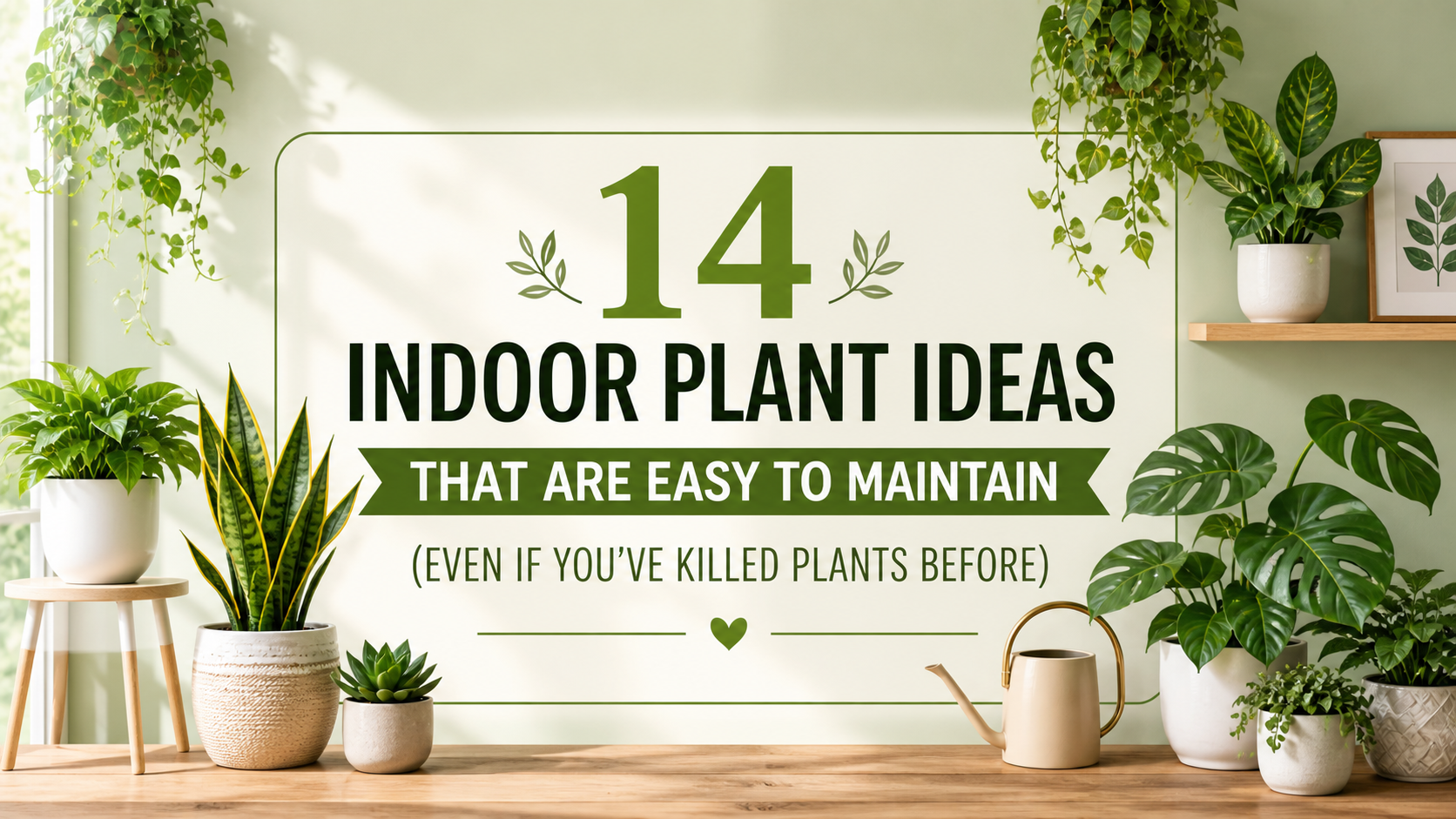
These 14 indoor plant ideas are specifically picked because they’re easy to maintain in real homes, not just in greenhouse conditions. Whether your apartment gets barely any sun, you travel a few weeks a month, or you simply forget to water things, there’s something here that will work for you.
Each idea includes what the plant looks like in a room, how to care for it without overthinking it, and practical tips for placing and styling it. Let’s get into it.
1. Golden Pothos: The Trailing Plant That Forgives Everything
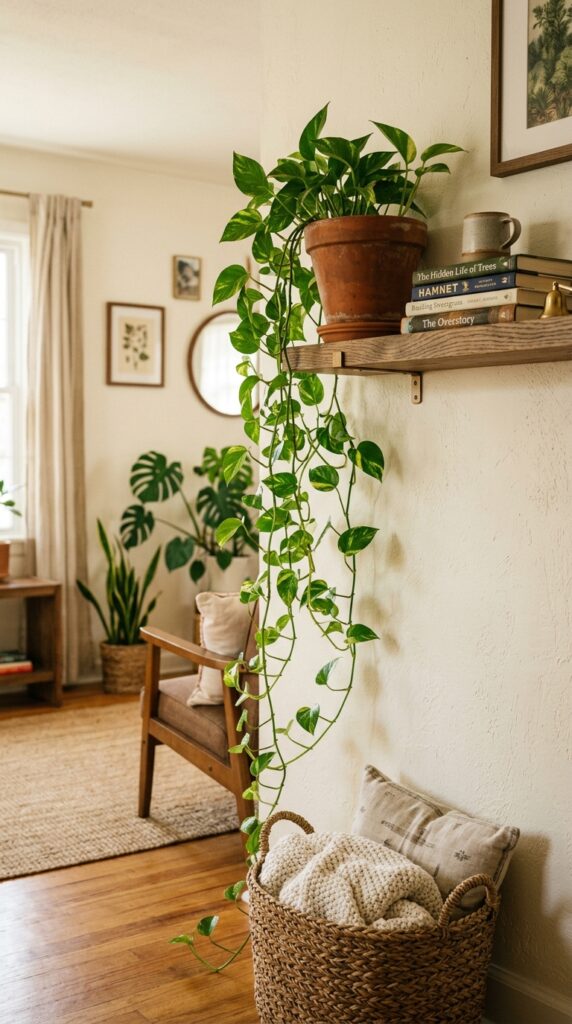
Golden pothos is one of those plants that looks like it belongs in a designer home but costs less than a cup of coffee. Its heart-shaped leaves in bright green and yellow-gold trail beautifully from shelves, hang from macramé planters, or climb a moss pole if you give it one. In a well-lit room, the leaves develop more golden streaks. In a darker corner, they stay a rich, solid green. Either way, it brings warmth to the space.
Place it on a high shelf and let it trail downward — within a few months, the vines can reach two feet or more. Water it once a week in summer and every ten days in winter, letting the soil dry out between waterings. It thrives in indirect light but handles low light better than almost any other plant. In my experience, the biggest mistake here is overwatering. When the leaves start yellowing, that’s usually the cause. Most 4-inch starter pots run $5 to $12 at any garden center or grocery store.
2. Snake Plant: The Architectural Statement for Low-Light Rooms
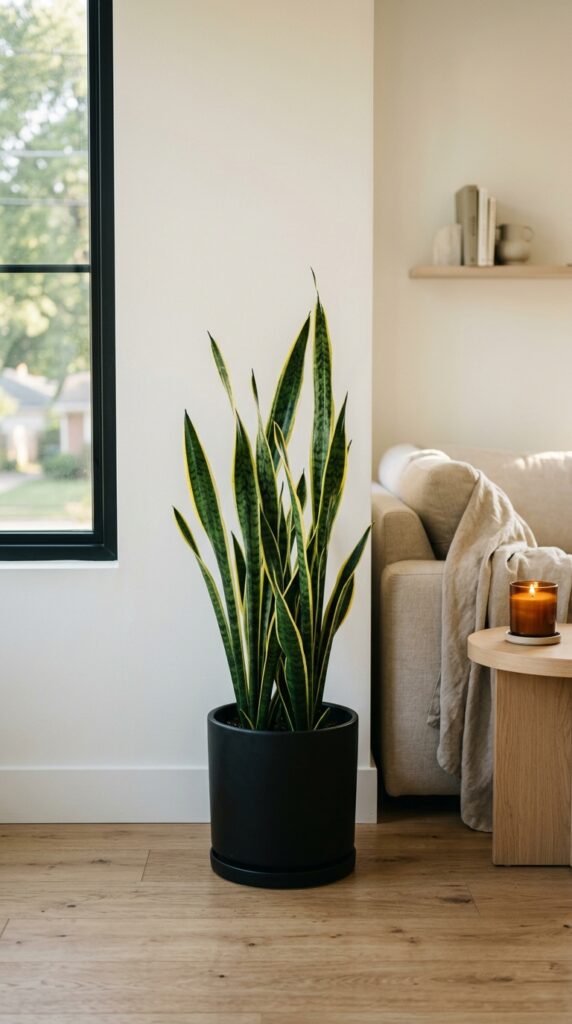
Snake plants — also called Sansevieria or Dracaena trifasciata — have a structural, upright look that adds something no other plant quite does. The stiff, sword-like leaves grow tall and bold, with deep green banding and sometimes a golden edge. They look striking against a white wall, next to a dark sofa, or in a dim corner that nothing else would survive in. What I personally love about this is that it works in rooms where most plants would immediately struggle.
Place a snake plant in almost any light condition — it handles everything from bright indirect sun to near-darkness. Water it only every two to three weeks, and even less in winter. It stores water in its thick leaves, so it genuinely prefers being left alone. Use a well-draining pot with a drainage hole, and never let it sit in standing water. A healthy 6-inch plant costs around $10 to $20, and a large floor-standing variety runs $30 to $60 depending on the size.
3. ZZ Plant: The Glossy, Nearly Indestructible Option
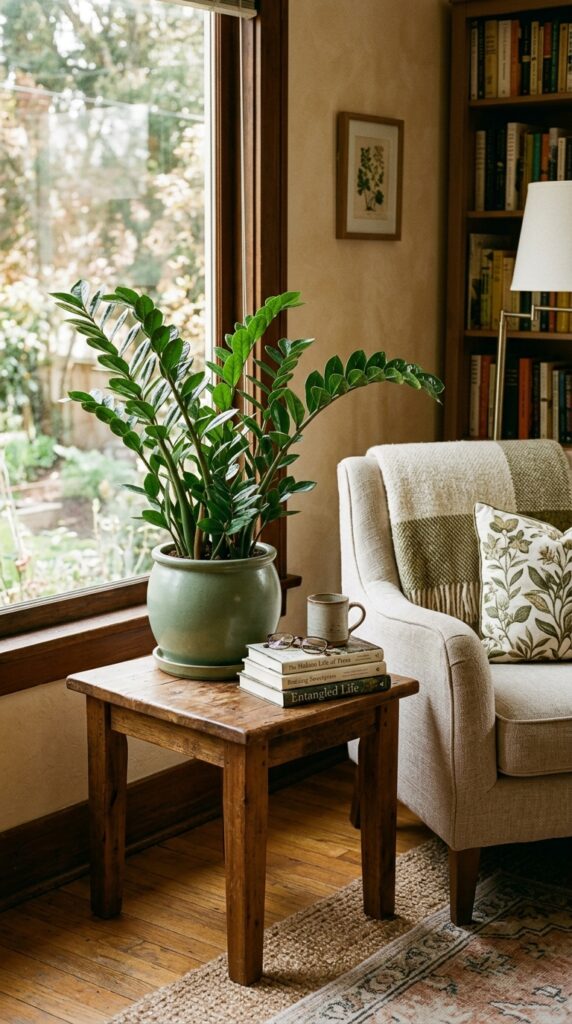
The ZZ plant has waxy, deep green leaves that catch light in a way that looks almost polished. It grows in slow, graceful arches and stays looking good for weeks even if you completely ignore it. It’s the kind of plant that makes guests think you have a natural talent for keeping things alive — even when the secret is that you watered it twice this month.
ZZ plants store water in underground rhizomes, which means they can go weeks without a drink and stay perfectly healthy. Place it in indirect light, though it tolerates low light well. Water every two to three weeks in warmer months and once a month in winter. One mistake a lot of people make is buying too large a pot. A pot that’s too big holds extra moisture the roots can’t absorb, which causes rot. Stick to a pot just an inch or two wider than the root ball. Prices range from $12 for a small pot to $35 for a fuller, more established plant.
4. Heartleaf Philodendron: A Lush Trailing Plant for Shelves and Hangers
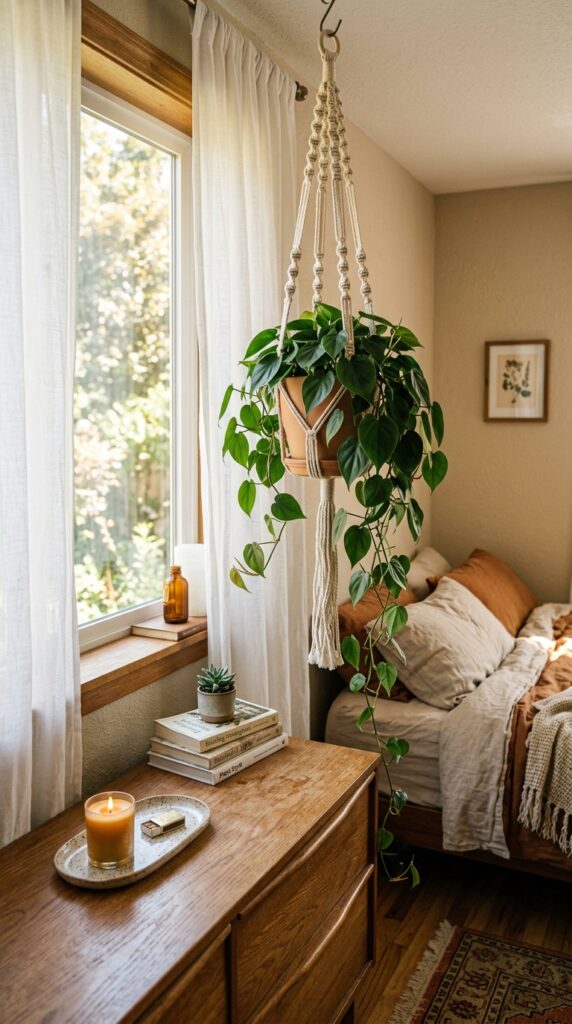
Heartleaf philodendrons look lush and full almost immediately after you bring them home. The leaves are a warm, deep green, heart-shaped, and slightly waxy, and they spill generously over the edges of any pot they’re placed in. Hung in a macramé planter near a window, they create a soft, layered look that photographs beautifully and takes almost no effort to maintain.
This plant grows quickly in moderate to bright indirect light and tolerates lower light conditions reasonably well. Water when the top inch of soil feels dry, roughly once a week in summer. It’s very similar to a pothos in care, but the leaves tend to be larger and the trailing vines grow faster. A lot of people skip the idea of hanging plants because they’re not sure how to mount them — a simple ceiling hook with a macramé hanger does the job for around $8 to $15 total. Small starter pots start at $7 to $14.
5. Aloe Vera: The Useful Plant That Belongs in Every Bathroom or Kitchen
Aloe vera is one of the few plants that earns its spot on both aesthetic and practical grounds. The thick, pale green leaves fan outward in a rosette shape, and there’s something clean and architectural about the way it sits in a pot. It looks especially good in terracotta, which complements the plant’s muted green color and dry, desert personality. Keep one near a sunny kitchen window or on a bathroom shelf and it doubles as a natural skincare tool — the gel inside the leaves soothes minor burns, dry skin, and sunburn.
Give aloe a spot with bright, indirect light or a few hours of direct sun each day. Water deeply but infrequently — once every two to three weeks is plenty. The most common mistake is planting aloe in regular potting soil. It holds too much moisture for a succulent, which leads to root rot quickly. Always use cactus or succulent mix, and always use a pot with drainage holes. A 4-inch pot runs about $5 to $10, and it grows slowly enough that you won’t need to repot it often.
6. Peace Lily: The Flowering Low-Light Plant That Cleans the Air
Peace lilies are one of the few flowering plants that genuinely thrive in low light, which makes them one of the most practical indoor plant ideas for rooms that don’t get much sun. The glossy, dark green leaves grow full and rounded, and the white blooms — when they appear — are simple and elegant. On a bookshelf, a bathroom counter, or a dim corner of a bedroom, a peace lily adds life in a way that feels quiet and undemanding.
Water your peace lily once a week and mist the leaves occasionally if your home is dry — they like a bit of humidity. They’ll actually tell you when they need water by drooping slightly, then perk back up within hours of a good drink. Keep them out of direct sun, which will scorch the leaves. What I personally love about this plant is how communicative it is. It’s one of the best options for someone just starting out with indoor plants. Prices range from $10 for a small pot to $25 for a fuller, blooming plant.
7. Rubber Plant: The Bold, Burgundy Statement Tree for Living Rooms
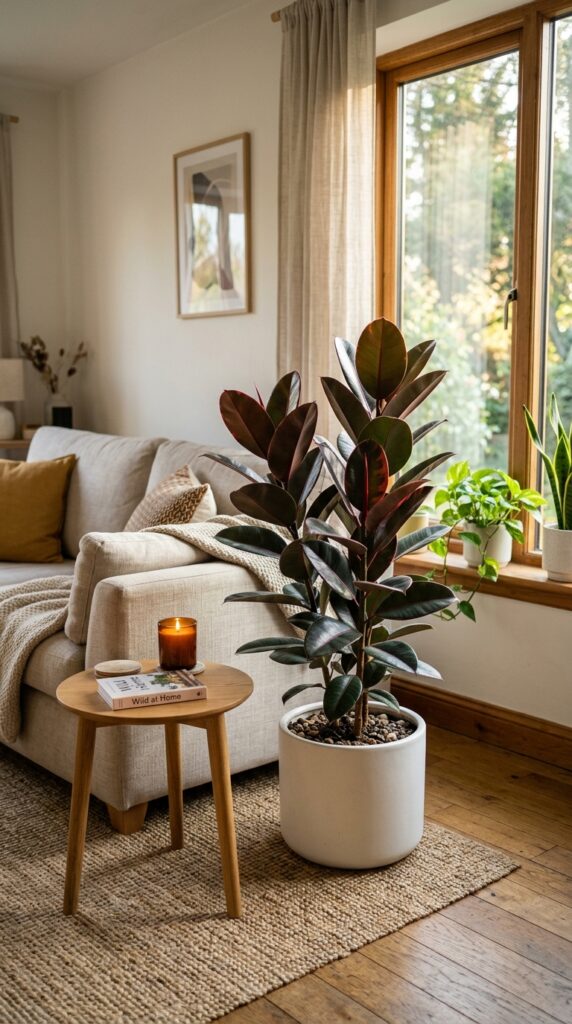
Rubber plants — Ficus elastica — have large, glossy leaves in deep green or burgundy-red, depending on the variety. The Burgundy variety in particular has a richness to it that feels dramatic without being difficult to care for. A tall rubber plant in the corner of a living room, next to a light sofa or against a neutral wall, acts almost like a piece of furniture. It fills vertical space and draws the eye upward in a way that feels grounded and intentional.
Rubber plants like bright indirect light but can adapt to lower light conditions. Water when the top half of the soil feels dry, roughly every one to two weeks. Wipe the leaves with a damp cloth every few weeks to keep them glossy and help the plant absorb light more effectively. A lot of people never think to clean their plant leaves, but it makes a visible difference in both appearance and health. A small starter plant runs $15 to $25. A larger, established floor plant can run $50 to $90.
8. Spider Plant: The Cheerful, Air-Purifying Plant for Shelves and Hangers
Spider plants are one of the friendliest-looking indoor plant ideas you’ll find. They grow in fountaining arches of long, narrow green and white-striped leaves, and as they mature, they send out small trailing offshoots — called spiderettes — that dangle from the mother plant like tiny green babies on strings. Hung from a hook near a bright window or placed on a high shelf, they add movement and a lightness that other plants don’t quite have.
Spider plants are nearly impossible to kill. They thrive in bright to medium indirect light and only need watering once a week or so. They prefer slightly cooler temperatures and don’t like sitting in dry, hot air — so avoid placing them directly above a radiator or heating vent. I always recommend this plant when someone wants easy indoor plant ideas that also look great. The bonus is that the spiderettes can be propagated in water and turned into new plants — it’s one of the easiest ways to grow your plant collection for free. Small pots start at $6 to $12.
9. Succulents in a Grouped Tray: A Low-Maintenance Centerpiece Idea
Grouping a mix of small succulents in a single shallow tray or wooden box creates one of the most satisfying indoor plant displays, and the maintenance level is about as low as it gets. Echeveria, haworthia, sedum, and crassula varieties each have different shapes and textures — rosettes, spikes, pads, and clusters — and together in a tray they look like a miniature garden. Set on a coffee table, kitchen windowsill, or dining table, the arrangement feels warm and organic without trying too hard.
Use a shallow tray, a wooden box, or a long ceramic planter and fill it with cactus mix soil. Plant three to seven small succulents with a little space between each one, then top the soil with fine gravel, sand, or small pebbles for a finished look. Place the tray in bright light, ideally near a south or east-facing window. Water every two weeks by pouring water at the base — never misting the tops, as moisture trapped between leaves causes rot. A full tray setup costs roughly $20 to $40 depending on pot choice and how many succulents you include.
10. Cast Iron Plant: The One That Thrives in Deep Shade
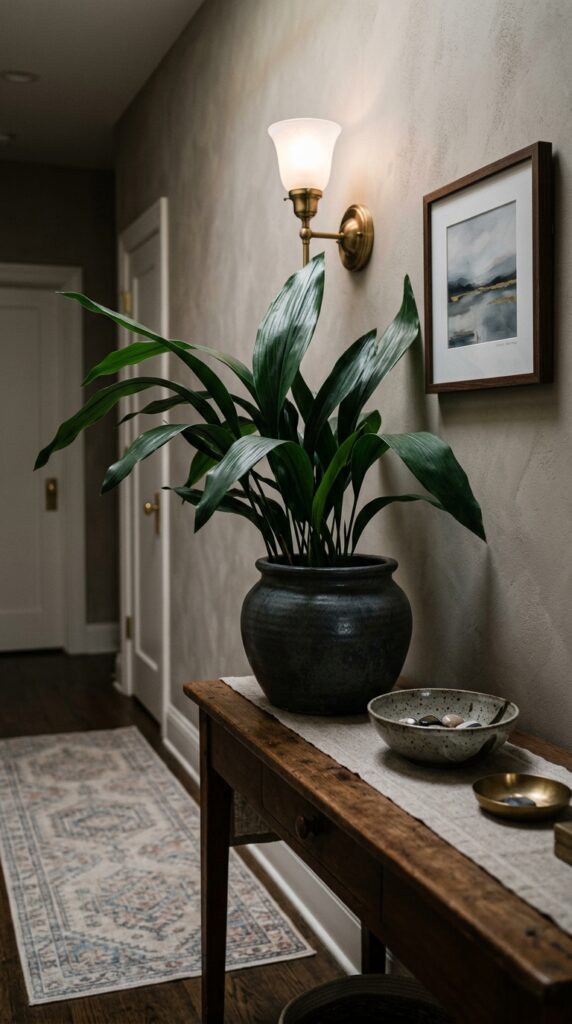
The cast iron plant — Aspidistra elatior — earned its name for good reason. It can handle deep shade, irregular watering, dry air, and temperature fluctuations that would kill most other houseplants. The leaves are long, strappy, and a deep, waxy green that looks polished in almost any room. It grows slowly and stays compact for a long time, which makes it a good choice for shelves, side tables, or any corner that doesn’t get much love.
Place a cast iron plant in low to medium indirect light — it’s one of the few plants that actually does well far from any window. Water every two to three weeks and even less in winter. It doesn’t need misting, fertilizing often, or any special soil. The only thing it really dislikes is overwatering, so err on the side of dry rather than soggy. In my experience, this is the single best option for a plant in a dark hallway or a low-light bathroom where other plants have consistently failed. Expect to pay $15 to $35 depending on pot size.
11. Chinese Evergreen: The Colorful Low-Light Indoor Plant Nobody Talks About Enough
Chinese evergreens — Aglaonema — come in some of the most beautiful leaf colors of any houseplant, ranging from deep green with silver streaks to pink, red, and cream variegated patterns. Yet they’re consistently overlooked in favor of more popular options. A pink or red Aglaonema in a white or terracotta pot adds genuine color to a room without needing flowers, and the care requirements are genuinely minimal.
Place it in low to medium indirect light — the more colorful varieties do better with a bit more light, while the deeper green ones handle low light extremely well. Water when the top inch of soil is dry, roughly every seven to ten days. Chinese evergreens don’t like cold drafts or temperatures below 60°F, so keep them away from cold windows in winter. A lot of people skip this plant because they’ve never seen it recommended, but it’s one of the most rewarding easy-to-maintain indoor plant ideas for adding color without much effort. Prices range from $10 to $30.
12. Boston Fern: The Full, Lush Plant for Humid Spaces
Boston ferns have a softness and fullness that no other indoor plant quite replicates. The feathery, arching fronds spill over the edges of their pots in every direction, creating a rounded, lush shape that looks incredible hanging near a bathroom window or sitting on a plant stand in a bright corner. They bring a genuinely natural, garden-like quality to a room in a way that most structured, upright plants don’t.
Boston ferns need humidity, which is why bathrooms are such a natural fit. If you’re placing one in a living room, set the pot on a tray filled with pebbles and water — the evaporation creates a pocket of moisture around the plant. Water consistently to keep the soil evenly moist but never waterlogged, and mist the fronds every few days during dry winter months. A lot of people give up on ferns because they let them dry out once and assume the plant is dead. Usually it isn’t — a deep watering and a humid spot will bring it back. Small plants start at $10 to $18, and larger hanging varieties run $20 to $40.
13. Potted Bamboo: A Clean, Minimal Plant for Modern Spaces
Lucky bamboo — often sold as tabletop arrangements in small vases — has a clean, architectural quality that suits modern and minimal interiors really well. The straight green stalks grow in water or soil and stay compact enough to sit on a desk, shelf, or bathroom counter. There’s something calm and deliberate about a small bamboo arrangement that feels different from leafy plants. It’s simple, structured, and genuinely low-effort.
Lucky bamboo grows well in water alone — just add a few inches of clean water and change it every week to prevent algae. If you prefer soil, use a well-draining potting mix and water lightly. It thrives in indirect light and will survive in fairly dim spots, though bright indirect light encourages faster, fuller growth. Keep it out of direct sun, which yellows the leaves quickly. What I personally love about this is how long it lasts — a well-kept bamboo arrangement can stay healthy for years with minimal attention. Small tabletop arrangements start at $8 to $20.
14. Potted Lavender: A Fragrant, Functional Plant for Bright Windowsills
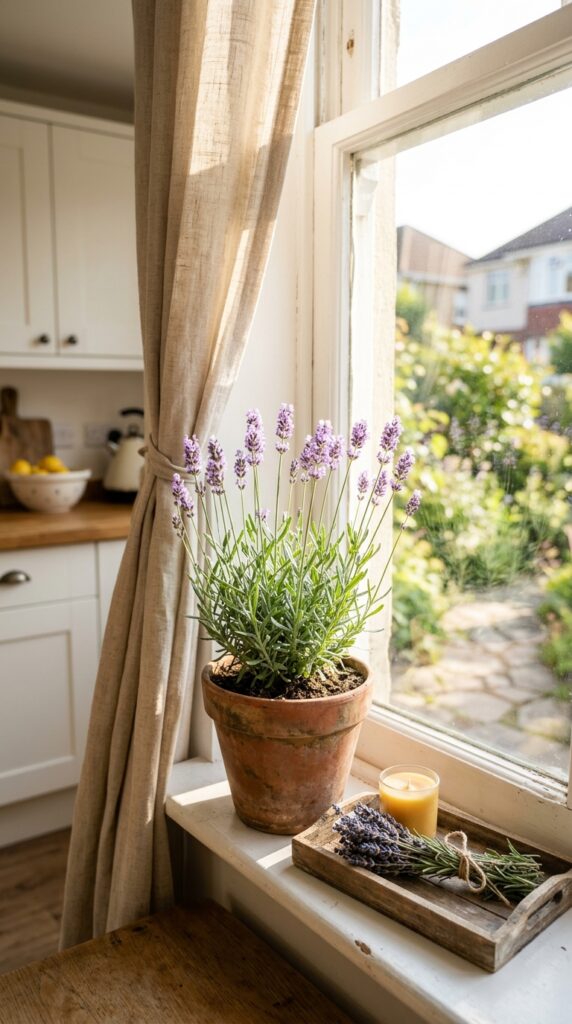
Lavender isn’t the first plant most people think of for indoors, but a small potted lavender on a sunny windowsill is one of the most rewarding indoor plant ideas you’ll find. The soft grey-green foliage and purple flower spikes look beautiful, the scent is genuinely calming, and dried lavender from your own plant can be used in drawers, sachets, or small vases around the home. It earns its spot on both visual and sensory grounds.
Lavender needs full sun — at least six hours of direct or very bright light per day — so a south-facing windowsill is the best placement. Water only when the soil is completely dry, roughly every ten days to two weeks. It hates overwatering and humid soil, so always use a terracotta pot with drainage holes and a cactus or sandy soil mix. In my experience, the biggest mistake here is placing lavender in a room that doesn’t get enough direct sun. Without strong light, it gets leggy and stops blooming. Keep it in the brightest spot you have and it will reward you all season. Small pots cost $8 to $15 at most garden centers.
Final Thoughts
You don’t need a green thumb to enjoy living with plants. You just need to pick the right ones for your actual space and your actual routine. Every plant on this list can work in a real home, not just a curated photoshoot — and most of them can be found for under $20.
Start with one or two indoor plant ideas that match your light conditions and how often you realistically remember to water things. A snake plant in a dark corner, a pothos on a shelf, or a succulent tray on the kitchen table — any one of them will change how your space feels in a way that’s hard to explain until you experience it.
Once you’ve kept one alive for a month, something clicks. You start looking at corners differently. You notice where the light falls. You think about what could go there. That’s how most people build a genuinely plant-filled home — one low-maintenance win at a time.
Which of these easy-to-maintain indoor plant ideas would you try first? Drop a comment and let me know — I’d genuinely love to hear what you’re thinking.
FAQs
What are the easiest indoor plants to keep alive for beginners?
Snake plants, pothos, ZZ plants, and spider plants are consistently the best starting points for beginners. All four tolerate irregular watering, low light, and dry indoor air without much complaint. They’re also widely available at garden centers, grocery stores, and even big-box stores like IKEA or Home Depot, so you won’t have to hunt for them. Start with any one of these and you’ll build confidence quickly.
How often should I water low-maintenance indoor plants?
Most easy-to-maintain indoor plants need watering once every one to two weeks during the growing season and even less in winter. The best approach is to check the soil rather than follow a fixed schedule — if the top inch or two feels dry, it’s time to water. If it still feels damp, wait a few more days. Overwatering kills more indoor plants than underwatering, so when in doubt, wait.
Can indoor plants survive in rooms with no natural light?
A handful of plants genuinely tolerate very low light — ZZ plants, cast iron plants, snake plants, and pothos are the most reliable options. That said, “no natural light” is different from “low natural light,” and truly windowless rooms with only artificial light will require a grow bulb to keep any plant healthy long-term. A basic LED grow bulb in a standard lamp socket makes a real difference and costs around $10 to $15.
What’s the best indoor plant for a bathroom?
Peace lilies, Boston ferns, and pothos are the top choices for bathrooms because they all appreciate the humidity that builds up from showers and baths. Aloe vera works well on a bright bathroom windowsill. The key factor is light — if your bathroom has a window, you have more options. If it has no window at all, stick to a peace lily or a ZZ plant and consider adding a small grow light.
How do I stop my indoor plants from dying so quickly?
The most common reasons indoor plants die are overwatering, wrong light placement, and using pots without drainage holes. Start by checking that your pot drains properly — standing water at the root level causes rot fast. Then assess your light. Most houseplants need indirect light, not direct afternoon sun, which can scorch leaves. Finally, water less than you think you need to. Most houseplants want to dry out a little between waterings, and giving them space to do that makes a significant difference in how long they last.